
Reviewed · VICTORIA FALLS TOURS
From Victoria Falls: Zimbabwe Traditional Village Tour
The most revealing part of this tour is that it often takes you to one family homestead, not a staged village built for visitors. You may walk through sleeping huts and kitchen shelters, see crops being tended, and talk with a village elder about customs, beliefs, and the work needed to keep a household going.
I like two things here: the direct contact with local families and the chance to try ordinary tasks instead of simply looking at buildings. The tour also helps connect Victoria Falls with the people who live beyond the resort area. The main drawback is that transport communication can be uneven, and the village presentation may depend on which household receives you that day.
Key points at a glance
- A real family homestead: The visit may focus on one household, with sleeping huts, kitchen huts, fields, and family members nearby.
- About 2.5 hours: The short format fits neatly beside a Victoria Falls sightseeing schedule.
- English-language guidance: A local guide or village elder explains daily life, customs, beliefs, and rural work.
- Hands-on moments: You may help with simple daily tasks for a better sense of the work involved.
- A rotating local benefit: The village visit may move among different households rather than always using one property.
- Bring a useful gift: Clothing, sweets, stationery, or another practical item can be donated to the family.
Why this village visit adds something Victoria Falls cannot
Victoria Falls gives you thunder, spray, wildlife drives, and plenty of adventure. Those are good reasons to come. But the falls can also keep you inside a tourist circuit, where you see Zimbabwe mainly through hotels, vehicles, guides, and activity operators.
This tour changes the subject. It takes you into a rural part of Matabeleland North and gives you a closer look at how some local families live. You see where people sleep, where food is prepared, how crops are managed, and how a household handles daily work with limited modern equipment.
I like that the visit focuses on people rather than turning the countryside into a photo stop. The most valuable part is the conversation. A village elder or family representative can explain customs, beliefs, ethnic identities, and practical matters that you would not learn from a standard sightseeing drive.
At the same time, keep your expectations sensible. This is not a museum with labels, a large cultural center, or a polished stage show. It is a visit to a family property. That can feel personal and honest, but it also means the pace and exact content may vary.
More ways to see the falls:
- Victoria Falls: Dinner Cruise on the Zambezi River
★ 4.9 · 925 reviews - Victoria Falls: Chobe National Park Day Trip with Lunch
★ 4.7 · 518 reviews - Victoria Falls: Boma Dinner and Drum Show
★ 4.4 · 415 reviews
The drive out from Victoria Falls
Transfers within Victoria Falls are included in the $50 price. You are collected in an air-conditioned vehicle and driven out toward the village area. Transfers from outside Victoria Falls are not available, so you need to arrange your own way into town if you are staying elsewhere.
The drive matters because it gives you a break from the resort zone. You begin to see the connection between the tourist center and the surrounding communities. Some people who sell goods in Victoria Falls live in nearby villages, so this outing can help you understand the lives behind the town’s commercial activity.
Allow some patience around pickup. One participant had a delayed collection and poor communication about the change, although the problem was sorted out. I would confirm your pickup time and meeting point before the day of the tour, then keep your phone available.
The vehicle is air-conditioned, which is welcome in Zimbabwe’s heat. The exact group size is not fixed in the information provided. Some visits have been private or nearly private, with just one or two people and a guide, while other departures may include more.
Arriving at a working family homestead
The tour may bring you to Monde village or another local household, depending on the arrangements for that day. The visit can involve a family property made up of several small buildings rather than one large home.
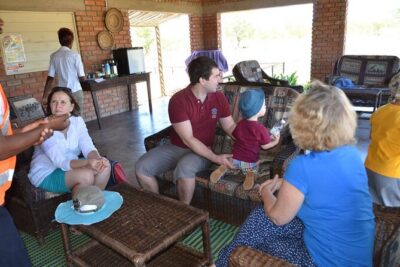
You may see separate huts used for cooking and sleeping. A family member can explain how each space is used, where people rest, and how household routines work. The buildings are simple, but the arrangement tells you a great deal about family life, privacy, food preparation, and the use of available materials.
One useful detail is that the property may be tidy and actively lived in, not arranged as a display for tourists. Children and other family members may be present. You should treat the setting as someone’s home: ask before taking photographs, listen carefully, and avoid treating the visit like a performance.
A village representative may lead the explanation in clear English. One village elder was praised for discussing customs, beliefs, and everyday life in fluent, easy-to-understand English. That sort of conversation is worth more than a quick walk around empty huts.
What you learn about rural work
The tour is not only about architecture. It shows the work behind ordinary life. You might see fields being tended, learn how crops depend on the annual rains, and try your hand at one or two daily tasks.
That part gives the visit weight. A cooking hut is interesting, but learning how food is prepared or how crops are maintained helps you understand the time and effort involved. You are not just looking at a rural home. You are seeing how food, shelter, and family responsibilities fit together.
Rainfall is a major issue for farming households. One account described a year when the rains mostly failed, leaving local families with a difficult growing season. The tour can therefore offer a grounded view of rural life, including its problems, instead of presenting village traditions as a charming picture without hardship.
The phrase traditional village can sound as if everyone in Zimbabwe lives the same way. That is not the right lesson to take from this experience. Zimbabwe is a modern country with varied communities and living standards. This tour introduces you to one rural setting and some traditions, not to every Zimbabwean way of life.
A few more Victoria Falls Town trips worth a look
- Victoria Falls: Helicopter Tour with Hotel Pickup
★ 4.8 · 371 reviews - Victoria Falls: 2-Hour Luxury Zambezi River Sunset Cruise
★ 4.8 · 303 reviews - Zimbabwe & Zambia: Guided Tour of the Falls from Both Sides
★ 4.8 · 263 reviews - Chobe Day Trip from Victoria Falls, Zimbabwe
★ 4.6 · 250 reviews
Meeting the people who host you
The strongest part of the experience is often the welcome from the household. You may spend time with the family representative, answer questions, and talk about how the community functions.
Some visits are guided by a person who lives at the property. A host named Bonani was singled out for being kind and welcoming. Other visits have been led by a village elder or a woman showing the kitchen huts, sleeping quarters, crops, and family spaces.
The setup may feel quite personal. Some people have had an individual visit with the guide and host, while another small group was taken to a household and introduced to the woman who lived there. The company is understood to rotate among different households, which can spread the benefit rather than sending every booking to one family.
That variation is both a strength and a limitation. You could receive a detailed explanation from an excellent English-speaking host. You could also find that the driver simply drops you at the village and the household representative leads the visit. The experience is still personal, but it may not match the formal guide service you expect from a major sightseeing attraction.
Why a small donation is a good idea
You are encouraged to bring old or new clothes, sweets, stationery, or another useful item as a donation. This is optional, but a practical gift can be a thoughtful way to thank the family for opening its home.
Choose something useful and modest. Clothing or school stationery is more appropriate than handing out random objects. If you bring sweets, remember that you are visiting a family home, so give them politely rather than distributing items to children without asking the host.
A tip is also a possible way to show gratitude for the hospitality, especially if the family spends time explaining its life and answering questions. The information does not specify a required amount, so use your judgment and local currency guidance from your guide.
The important point is attitude. A donation does not buy access to people’s lives. It is a small gesture of thanks, and respectful conversation should come first.
How long the 2.5-hour format really works
The advertised duration is about two and a half hours. The time includes the village visit and the transfer arrangements from Victoria Falls, though the exact split is not specified.
That makes it a useful half-day cultural activity. You can fit it around the falls, a sunset cruise, or another Victoria Falls outing without giving up an entire day. It is also long enough to see several parts of a homestead and have a proper conversation, rather than rushing in for ten minutes.
Some accounts describe about one and a half hours at the village itself. That gives you a useful planning guide, but do not treat it as a guaranteed schedule. Pickup delays or road conditions can affect the total time.
Because the visit is short, do not expect a full survey of local culture. You will get a focused look at one village setting, one family’s home, and selected customs and tasks. For many people, that is the right amount. It gives context without turning the day into a lecture.
What the $50 price includes
At $50 per person, the price covers the traditional village tour, transfers within Victoria Falls, an English-speaking professional guide, and an air-conditioned vehicle.
I consider that fair value if you want cultural context rather than another wildlife activity. Transport alone has value, and the tour gives you direct access to a local household with an organized introduction. You are paying for the coordination, vehicle, guide, and local hosting, not simply for a drive past rural homes.
The value is strongest when the guide and host create a real conversation. If you are curious, ask about household roles, farming, local customs, beliefs, and how the community connects with Victoria Falls. A quiet observer may still enjoy the visit, but an engaged participant will get more from the price.
The package does not include transfers from outside Victoria Falls. Check that point before booking, since the $50 rate is not an all-area transport solution.
Who will get the most from this tour
I would recommend this visit to anyone who wants to understand the human side of a Victoria Falls trip. It suits you especially well if you enjoy conversations, local homes, and practical demonstrations more than formal attractions.
It is also a good choice for families and small groups who want children to see how daily routines can differ from their own. Parents should set clear expectations about respectful behavior, photography, and donations before arriving.
Solo visitors can fit in comfortably. One person had an individual visit and felt welcomed, although the exact arrangement depends on the departure. The tour also works for couples who want a quieter cultural activity between major sightseeing outings.
You may want to skip it if you dislike uncertain timing, prefer large formal museums, or expect a carefully scripted show. The charm comes from the family setting, and that same setting means the experience is less standardized.
Practical manners for a respectful visit
Wear comfortable clothing suitable for walking around a rural property. Carry water, protect yourself from the sun, and bring only items you are prepared to donate. The provided information does not specify a dress code, so modest, practical clothing is the safest choice.
Ask before photographing people, homes, or children. Listen when the host explains a custom, and do not assume that one household represents every community in Zimbabwe.
Try the tasks offered to you, but do not turn them into a joke. The work may look simple until you understand how often it must be done and how much a family depends on it.
Most of all, arrive with curiosity rather than a search for poverty pictures. The tour can show hardship, including the effect of poor rains, but it also shows household organization, pride, hospitality, and local knowledge.
Booking flexibility and language
The tour is offered in English. You can reserve a place and pay later, which helps if your Victoria Falls plans are still shifting. Cancellation is allowed up to 24 hours before the activity for a full refund.
Those policies are useful for a trip with changing weather or several competing activities. Still, confirm the pickup details once booked, especially because one collection ran late without advance warning.
The experience provider is Tamuka Travel. Since the village hosting arrangement may rotate among households, ask at booking if you need to know the likely village or whether the visit will be private or shared.
Should you book the village tour?
Book it if you want to see beyond the falls and meet people in a setting that feels connected to ordinary rural life. The strongest reasons are the family homestead, the direct explanations from local hosts, and the chance to see cooking spaces, sleeping huts, crops, and daily work up close.
Go with an open mind and a little flexibility. This is not a polished cultural theater show, and the guide or transport arrangements may not be perfectly smooth. For $50, though, it offers useful context, personal contact, and a side of Zimbabwe that a Victoria Falls activity schedule can easily miss.
FAQ
Where does the tour take place?
The tour takes place in a traditional village in Matabeleland North, Zimbabwe, with transfers provided from Victoria Falls.
How long does the activity last?
The tour is advertised as a 2.5-hour experience. Time spent at the village may be around 1.5 hours, depending on the day’s arrangements.
What is included in the $50 price?
The price includes transfers within Victoria Falls, the traditional village tour, a professional guide, and an air-conditioned vehicle.
Are transfers from outside Victoria Falls included?
No. Transfers are available only for people within Victoria Falls.
What language is the tour offered in?
The tour is offered in English.
Will I visit a real family home?
The visit may take place at one local family homestead, where you can see sleeping huts, kitchen huts, crops, and family living areas.
Can I help with village tasks?
You may have the opportunity to help with some daily errands or activities, depending on the household and the arrangements that day.
Should I bring a donation?
You are encouraged to bring old or new clothing, sweets, stationery, or another useful item for donation.
Can I cancel for a refund?
Yes. You can cancel up to 24 hours in advance for a full refund.
Just added around Victoria Falls Town
- Victoria Falls: Elecrew Through The Eyes Of An Elephant★ 5.0 · 3 reviews
- Victoria Falls: Bush Experience and Stargazing D-F-ES-GB★ 4.3 · 3 reviews
- Ultimate Falls Experience – Tour, Abseil, Swim & Hike★ 3.0 · 3 reviews
- Victoria Falls: Flying Fox Experience with Transfers★ 4.7 · 3 reviews
- 3 Days Victoria Falls and Full day Chobe National Park★ 3.2 · 3 reviews
- Zambezi River: Kid-Friendly Whitewater Rafting★ 5.0 · 3 reviews
- Victoria Falls Village Cultural Tour – Authentic Experience★ 5.0 · 3 reviews
- Victoria Falls: Batoka Gorge Hike & Sunset Dinner★ 5.0 · 3 reviews
Victoria Falls Tours, compared.
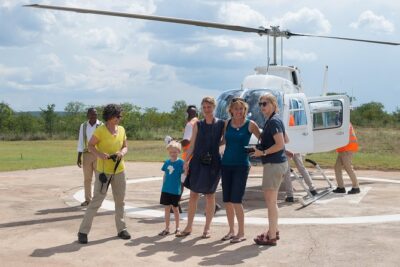
Helicopter Scenic Flight over Victoria Falls 12-13 minutes Flight
Read our review →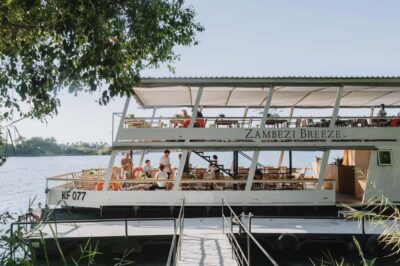
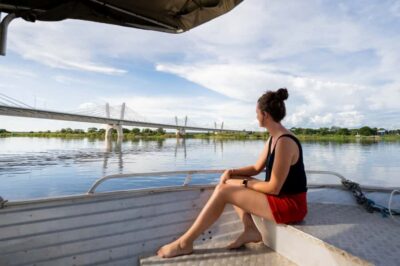
Victoria Falls: Chobe National Park Day Trip with Lunch
Read our review →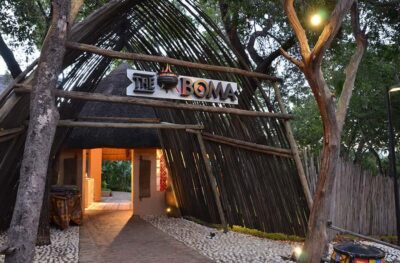
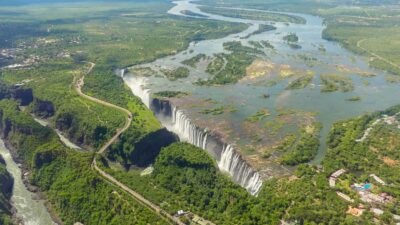
Victoria Falls: Helicopter Tour with Hotel Pickup
Read our review →
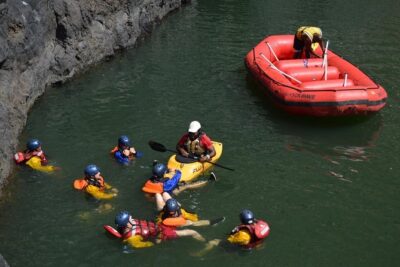
Zambezi River Class IV-V White-Water Rafting from Victoria Falls
Read our review →Browse the lists this tour appears in