Reviewed · CITY TOURS
All Inclusive Bulawayo City and Township Tour
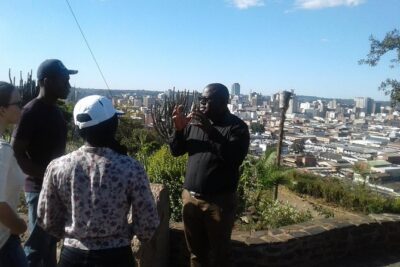
Bulawayo’s best introduction may be its 1897 railway museum, where you can walk among old locomotives and step into Cecil Rhodes’ personal railway coach. I also like the way this tour connects grand colonial buildings with Makokoba, the city’s oldest township, so you see more than a polished center. Guide Blessing is especially good at linking local culture and history to the places in front of you.
The four-hour afternoon schedule is relaxed, and hotel pickup plus a small group of no more than eight keeps the outing easy. The main consideration is heat and walking: October can be very hot, some planned sights may close on holidays, and local food purchases are not clearly stated as included despite the all-inclusive name.
Key points at a glance
- Cecil Rhodes’ 1897 railway coach: Walk through one of the Railway Museum’s most unusual historic exhibits.
- Bulawayo’s Victorian Main Street: See the post office, Art Gallery, Exchange Building, City Hall, and Joshua Nkomo statue in one central stretch.
- Bulawayo Dolobho: Hear about the first settlement of the Ndebele Kings at a site tied to the city’s earliest story.
- Makokoba Township: Meet local residents, see old homes, speak with artisans, and learn about community life.
- Small-group afternoon: The tour begins at 1:00 pm, lasts about four hours, and accepts a maximum of eight people.
- Useful practical value: Pickup is offered, the Railway Museum admission is included, and cancellation is free up to 24 hours before departure.
Why this tour works as a first look at Bulawayo
Bulawayo can be hard to understand if you only pass through its center. Its identity comes from several layers: Ndebele royal history, the railway that linked the region to wider trade, colonial-era town planning, and the daily life of neighborhoods such as Makokoba.
This outing puts those pieces together in a sensible order. You begin with transport history, move through central architecture, and finish in a township where the guide can explain how local people live, work, and preserve traditions. I like that progression because it gives you context before the more personal community visit.
The tour is not designed as a long museum day or an academic history lecture. It is a compact city orientation with plenty of conversation. Blessing received repeated praise for his local culture and history knowledge, along with his friendly, engaging manner. That matters here, since much of the value comes from explanation rather than from grand monuments alone.
At $55 per person, the price is reasonable if you want transport, a private-feeling group, and a guide for a half day. It is less compelling if you already know the city well or prefer to explore museums and streets entirely on your own. The group limit of eight gives it a more personal feel than a large bus excursion.
A few more Zimbabwe trips worth a look
- Harare City Tour & Zimbabwe Highlights
★ 3.5 · 14 reviews - HARARE CITY TOUR ADVENTURES !!
★ 4.9 · 6 reviews
Starting with Bulawayo’s Ndebele beginnings
The city’s earliest story reaches back before its colonial buildings and railway lines. Bulawayo Dolobho is presented as the prime location of the first settlement of the Ndebele Kings, giving you a chance to hear about the city through its Ndebele foundation rather than only through British colonial history.
This is an important balance. Many city tours begin with 19th-century administrative buildings and treat earlier events as a footnote. Here, the guide can place Bulawayo in a longer local story before moving on to the architecture introduced during colonial rule.
The available details do not assign a separate timed stop to Dolobho, so you should think of it as part of the city portion rather than a guaranteed stand-alone visit with a full hour. Ask the guide how it fits into the day when you meet. That small check can help you understand exactly how much time will go to each area.
An hour among locomotives at the Railway Museum
The Railway Museum is likely to be the tour’s strongest stop. You get about an hour there, and admission is included. The collection covers vintage locomotives, carriages, railway equipment, and other objects linked to Zimbabwe’s transport and trade networks.
The oldest exhibits date to 1897, a detail that gives the collection real weight. Instead of looking at railway history through photographs alone, you can walk around the engines and carriages. One highlight is Cecil Rhodes’ personal railway coach from 1897, an unusually tangible link to the colonial figures who shaped the region’s infrastructure.
I like the freedom built into this stop. You can look closely at the trains, move through the collection, and spend more time on the exhibits that catch your eye. One visitor particularly enjoyed being able to walk around freely and see a wide range of trains. That makes the museum useful for both railway enthusiasts and anyone wanting a clear picture of how movement across Zimbabwe developed.
The museum also helps explain why Bulawayo became an important urban center. Railways were not just a way to move people. They affected trade, settlement, administration, and the growth of towns. A good guide can turn a collection of old engines into a story about how the city connected to the wider region.
Allow for the possibility that a scheduled attraction may be closed on a public holiday. Nesbitt Castle was unavailable on one such occasion, although the Railway Museum remained open and worthwhile. The practical lesson is simple: ask about holiday closures before your date, particularly if a specific building is important to you.
Reading Main Street through its old buildings
The central city section shifts your attention from machinery to architecture. Along Main Street, you can see a mix of Victorian and Edwardian forms alongside newer buildings. The old facades, civic structures, and commercial buildings show how Bulawayo developed as an urban center.
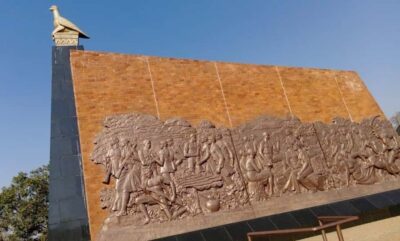
The route includes views of the post office, National Gallery of Zimbabwe in Bulawayo, Exchange Building, City Hall, and the Joshua Nkomo statue. The architecture is not presented as a single preserved period. Instead, you see layers of colonial design and modern urban life sharing the same streets.
The National Gallery portion is listed as about an hour with no admission charge. The available description focuses strongly on the architecture along Main Street, so confirm with the guide whether your time includes an interior gallery visit, an exterior look, or both. That clarification is useful if you are hoping to spend serious time with artworks rather than buildings.
Bulawayo City Hall is an especially useful stop for understanding the city’s early colonial period. It was built in 1894, and its old water well is identified as the first water source used by early white settlers in Zimbabwe. The well may sound like a small detail, but it brings daily life into a story usually told through dates and official buildings. Water, transport, and public works were basic challenges in a growing town.
The Joshua Nkomo statue adds another layer to the central walk. The tour does not provide a long description of the statue, but its inclusion signals that the route is not limited to colonial architecture. You are encouraged to consider the people and political story connected to modern Zimbabwe as well.
Wear shoes you can walk in. Even if transport links the main areas, the central section is best appreciated on foot, where you can see details in the facades and listen without being rushed. Bring a hat, sunglasses, and sunscreen. A cold drink is also a sensible idea, especially in hot months. The guide provided cold drinks during one particularly hot October outing, but you should not assume that detail is guaranteed on every departure.
Same river, a completely different kind of day:
- Helicopter Scenic Flight over Victoria Falls 12-13 minutes Flight
★ 5.0 · 1,391 reviews - Victoria Falls: Dinner Cruise on the Zambezi River
★ 4.9 · 925 reviews - Victoria Falls: Chobe National Park Day Trip with Lunch
★ 4.7 · 518 reviews - Dinner Cruise on the Zambezi River
★ 5.0 · 518 reviews
Makokoba, where the tour becomes more personal
Makokoba is the most community-focused part of the afternoon. It is Bulawayo’s oldest township, and the visit is built around conversation and observation rather than a list of monuments.
You can expect to see some of the area’s oldest homes and meet local residents with the guide acting as a bridge. The plan also includes time with artisans, a look at the arts and crafts center, and the chance to hear about traditional games played by children. Elders’ stories and everyday conversations help explain how the township’s past remains part of present community life.
This is where the quality of the guide matters most. A map can show you Makokoba, but it cannot explain the meaning of a craft, the history of an old home, or the local context behind a custom. Blessing’s friendly style was repeatedly singled out, and the relaxed pace helped people feel as if they were spending an afternoon with a local friend rather than being hurried through a checklist.
Food is another part of the visit. You may stop at nearby eateries or food stalls to sample local cuisine and hear about cooking traditions. The wording of the experience does not confirm that food purchases are covered in the $55 price, so carry some money if you want to buy something. Treat this as a chance to taste and ask questions, not as a formal restaurant meal.
A township visit calls for respect and common sense. Listen to the guide about photography and introductions, ask before taking pictures of people, and remember that you are entering a lived-in neighborhood, not an open-air museum. The point is to meet people and understand community life, not simply to collect images.
Timing, transport, and the real value of $55
The tour starts at 1:00 pm and lasts about four hours. That makes it a useful choice if you have a free afternoon in Bulawayo, arrive earlier in the day, or want a city orientation before a later plan.
Pickup is offered, and transport was specifically appreciated as part of the organization. The meeting details provided here do not name a fixed pickup zone, so confirm your hotel or pickup address when booking. A mobile ticket makes access straightforward, while the small maximum group of eight should reduce waiting and make questions easier.
The $55 price includes admission to the Railway Museum. Other listed stops have no admission charge, and the city walk and township visit are focused on guiding rather than paid attractions. The value therefore rests on three things: transport, a local guide, and an efficient route through several parts of Bulawayo.
I would consider the price fair for a first visit, especially if you are staying outside the central area or do not have local transport. It also saves you the work of arranging separate visits to the museum, center, and township. If you are traveling alone, the small group can make a guided experience more worthwhile because you are not paying for a large private vehicle.
The tour is not all-inclusive in the resort sense. The supplied details do not confirm a full meal, drinks on every departure, or admission to every possible attraction. Read the name as a reference to the organized transport and sightseeing package, and ask what food or extra site entries cost before setting out.
Who will enjoy this four-hour outing
I would choose this tour if you want a broad introduction to Bulawayo in one afternoon. It suits first-time visitors, people with limited time, railway fans, and anyone who wants both city landmarks and a local neighborhood experience.
It is also a good match for you if you like asking questions. The central buildings are more rewarding when someone explains their purpose, and Makokoba requires context and sensitivity. A guide can help you move between these settings without treating them as unrelated stops.
Families and mixed-age groups may appreciate the range of subjects. The railway carriages offer something tangible, the architecture provides an easy walking focus, and the township visit adds human stories. Most people can participate, and service animals are allowed.
You may prefer another plan if you want a slow, specialized art visit, a full architectural photography walk, or an entire afternoon at one museum. The route covers a lot in four hours. It is well suited to orientation, but it cannot give every location the depth of a dedicated visit.
Plan for sun and insects. Walking shoes, a hat, sunglasses, sunscreen, and insect repellent are all specifically useful here. The city can be very hot, and one October outing required extra relief from the heat. Dress for an afternoon outdoors rather than for a cool indoor museum day.
Booking details worth checking before you go
Confirmation is provided when you book, and the activity is generally open to most people. It operates near public transportation, although pickup is offered, so you have options if your accommodation is not part of the pickup service.
The tour is often reserved well ahead, with an average booking lead time of 39 days. That does not guarantee it will sell out, but it is a useful signal if your Zimbabwe plans are fixed. Booking early is sensible during busy travel periods.
Free cancellation is available until 24 hours before the local start time. If you cancel or request changes inside that 24-hour window, you should not expect a refund or an accepted alteration.
Should you book the Bulawayo City and Township Tour?
Book it if you want the city explained rather than simply photographed. The combination of the Railway Museum, Main Street buildings, Bulawayo Dolobho, City Hall, and Makokoba gives you a much broader sense of place than a short drive around the center.
The strongest reasons to choose it are the Railway Museum’s open collection, the included admission, the small group, and the chance to spend time with a guide such as Blessing. The main cautions are heat, walking, possible holiday closures, and uncertainty over whether food purchases or optional attractions are included.
For $55, this is a sensible half-day introduction, particularly if it is your first time in Bulawayo or you have only one free afternoon. If you prefer independent exploration or want one subject covered in great depth, use the tour as an orientation and return later to the museum or gallery on your own.
FAQ
How much does the tour cost?
The price is $55 per person.
How long does the tour last?
The experience lasts approximately four hours.
What time does the tour start?
The stated start time is 1:00 pm.
Is hotel pickup available?
Pickup is offered. Confirm your exact pickup address when booking because the supplied details do not specify the full pickup area.
How many people can join the tour?
The maximum group size is eight people.
Is admission to the Railway Museum included?
Yes. Admission to the Bulawayo Railway Museum is included. The city and township stops are listed with no admission charge.
Can I cancel for a full refund?
Yes, if you cancel at least 24 hours before the local start time. Cancellations or changes made less than 24 hours before departure are not accepted for a refund.
Just added around Zimbabwe
- Guide Tour of the Falls★ 5.0 · 3 reviews
- Chobe Full day Safari with Victoria falls Sunrise Tour Combo★ 4.5 · 3 reviews
- Safari in Victoria Falls and Zambezi National Park★ 5.0 · 3 reviews
- Boma Dinner & The Drum Show Experience★ 4.5 · 3 reviews
- Victoria Falls Sunset Cruise★ 5.0 · 3 reviews
- Victoria Falls: Elecrew Through The Eyes Of An Elephant★ 5.0 · 3 reviews
- Victoria Falls: Bush Experience and Stargazing D-F-ES-GB★ 4.3 · 3 reviews
- Victoria Falls: Flying Fox Experience with Transfers★ 4.7 · 3 reviews
City Tours, compared.