
Reviewed · 1-DAY TOURS
Khami Ruins Day Trip
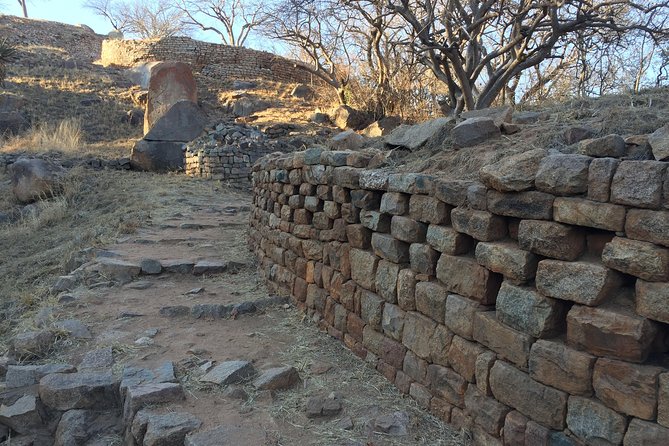
Khami Ruins gives you a close look at Zimbabwe’s second-largest stone-built monument, yet it sees far less attention than Great Zimbabwe. The site was the 16th-century capital of the Torwa Dynasty, with dry-stone platforms, decorated walls, narrow passageways, and the chief’s former residence spread across a quiet archaeological area.
I like the private format, which keeps the visit focused on your group, and I like the practical transport package: hotel pickup, an air-conditioned vehicle, bottled water, and snacks. The main consideration is that admission fees are not included in the $80 price, and the outing depends on good weather and a minimum number of bookings.
Key points to know before you book
- Khami is about 30 minutes from central Bulawayo, making it an easy half-day outing.
- The Hill Complex contains the Mambo, or chief’s residence, along with other major stone structures.
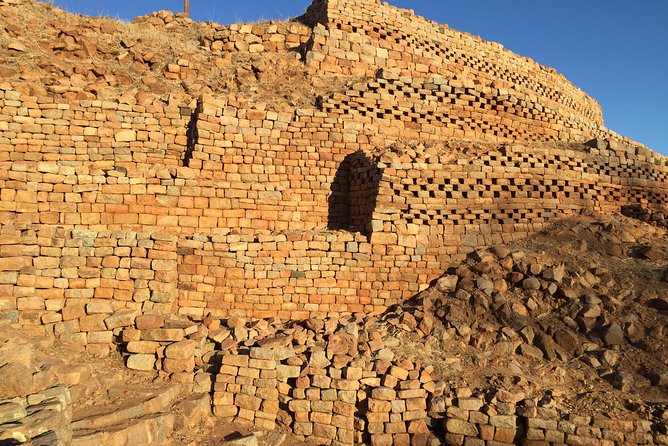
- Dry-stone walls feature chevron and chequered designs, narrow passages, galleries, and several named platforms.
- Lesley provides hotel pickup, while a local on-site guide may explain the details at the monument.
- The private tour lasts about three hours, within a stated overall range of two to four hours.
- Admission, taxes, and other fees are extra, so check the final cost before you go.
Why Khami Ruins deserves a place on your Bulawayo plans
Khami occupies an important point between Great Zimbabwe and the later Zimbabwe period. That makes it more than a collection of old stone walls. The site helps show how political power, settlement, and building traditions developed after Great Zimbabwe’s main period.
Its archaeological value is also unusual. Khami was not heavily damaged by treasure hunters, so the layers beneath and around the structures remain scientifically useful. You will not simply be looking at walls. You are seeing a place whose layout and surviving material help researchers understand how people lived and organized society.
I find that distinction useful when deciding how to spend limited time in Bulawayo. Khami is not a quick photo stop with one grand monument. It is a spread-out complex that rewards patient looking. You can study the workmanship, trace the walls, and picture how the chief’s residence related to the wider settlement.
The site is roughly 30 minutes from central Bulawayo, according to the available tour information. That short drive makes this a sensible choice for a morning or afternoon, especially if you want a historical outing without committing to a full-day road trip.
A few more Zimbabwe trips worth a look
- Victoria Falls: Chobe National Park Day Trip with Lunch
★ 4.7 · 518 reviews - Chobe Day Trip from Victoria Falls, Zimbabwe
★ 4.6 · 250 reviews - Chobe Day Trip From Victoria Falls Zimbabwe
★ 4.5 · 196 reviews
A private ride from Bulawayo keeps the visit simple

The tour includes pickup and private transportation in an air-conditioned vehicle. That matters in Zimbabwe, where a reliable ride can make the difference between a relaxed excursion and a day spent arranging transport at the last minute.
Lesley handles hotel pickup, and the private setup means only your group takes part in the main tour. You can ask questions at your own pace rather than trying to keep up with a large party. If you are visiting for photography, study, or a personal project, this format also gives you more room to pause.
One person used the full visit to cover the buildings and structures for a YouTube channel. That is a useful clue about the pace. Three hours is enough time to make a serious circuit of the site, but you should not expect a rushed twenty-minute look followed by an immediate return to Bulawayo.
The vehicle also comes with bottled water and snacks. These are modest inclusions, but they are useful on a warm archaeological outing. You will still want to dress for time outdoors and bring anything specific you need, since the supplied details do not describe a café, restaurant, or extensive visitor facilities at the ruins.
Reading the Hill Complex and the Mambo residence
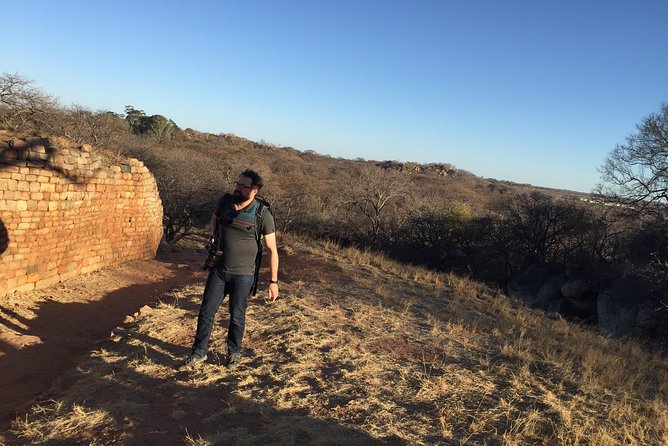
The most important stop is Khami Ruins itself, and the Hill Complex is the natural focus. The chief’s residence, known as the Mambo, was located on the hill. From there, the wider settlement extended through a network of platforms, walls, huts, and passageways.
The population lived in daga huts, made with cobwork, around the granite walls. Those huts have not survived in the same way as the stonework, but the layout gives you a sense of how the settlement functioned. The stone structures were not isolated decoration. They framed living areas and marked important spaces within the community.
As you walk, pay attention to how the walls guide movement. The site includes narrow passageways and perambulatory galleries, creating a more complex experience than a simple open courtyard. These routes may help you understand how people moved through the settlement and how certain areas were separated from others.
The Hill Complex is especially worthwhile if you want the political story of Khami. The Mambo residence connects the stonework to the Torwa Dynasty and to the people who governed from this capital. A guide can add meaning to what might otherwise look like a series of low walls.
Vlei, Monolith, and Passage platforms
Khami is made up of several named platforms, including the Vlei, Monolith, and Passage platforms. Each helps show the range of construction at the site.
The platforms are built from dry-stone walls, meaning the stones were carefully placed without mortar. That technique makes the quality of the workmanship easy to appreciate. Look closely at the fitting of the stones and the way the walls hold their shape across different sections of the complex.
The Passage platform is particularly helpful for understanding the site’s movement routes. The narrow paths and galleries make Khami feel planned rather than random. The Monolith and Vlei platforms add further examples of the site’s varied structures and decorative work.
The tour description highlights chevron and chequered wall decorations. These patterns are among the details that make Khami worth visiting in person. Photos can show the designs, but walking beside the walls lets you see the texture, scale, and careful placement of the stone.
You should expect some interpretation from the guide, but the precise amount can vary. Lesley is described as providing a thorough explanation of the ruins, and a local on-site guide may also explain the details. If you want a particularly detailed visit, tell the guide at the start. The outing can support a broad introduction or a closer look at each structure, depending on your interests and available time.
Same river, a completely different kind of day:
- Helicopter Scenic Flight over Victoria Falls 12-13 minutes Flight
★ 5.0 · 1,391 reviews - Victoria Falls: Dinner Cruise on the Zambezi River
★ 4.9 · 925 reviews - Dinner Cruise on the Zambezi River
★ 5.0 · 518 reviews - Victoria Falls: Boma Dinner and Drum Show
★ 4.4 · 415 reviews
What the three-hour timing means
The core visit is listed as three hours, while the overall experience is described as taking roughly two to four hours. That range is sensible for a site where walking speed, questions, photography, and weather can change the pace.
You can see the main buildings in about three hours, but the experience will feel better if you do not treat the ruins as a race. Khami’s value lies in its details: wall patterns, passageways, platforms, and the relationship between the hilltop residence and the surrounding settlement.
A private group has an advantage here. You can spend more time at the Hill Complex if that is your priority, or move on sooner if you are mainly interested in the architecture. If you are creating photographs or video, mention that before setting out so the guide understands that you may need extra pauses.
The outing is described as suitable for most people. Still, the information does not specify walking distances, surface conditions, seating, or accessibility arrangements. If mobility is a concern, ask Bonisa Excursions before booking rather than assuming that every part of the archaeological area will be easy to reach.
Is $80 a fair price?
At $80 per person, this is not the cheapest way to see a nearby historic site. The price includes a private vehicle, pickup, air conditioning, snacks, and bottled water, but admission fees and taxes are extra. You should factor those costs into your real budget.
The value depends heavily on how you use the private format. For one person, $80 may feel high once admission is added. For a couple, family, or small group, the convenience of private transportation and a dedicated guide can make the price more reasonable, particularly if you do not have your own vehicle in Bulawayo.
You are also paying for more than a ride. A good visit needs context, because the walls alone do not explain the Torwa Dynasty, the role of the Mambo, or the site’s place between Great Zimbabwe and later Zimbabwean history. Lesley’s detailed guiding and the possible help of an on-site guide are important parts of the value.
Group discounts are offered, though the available information does not state the discount amount or the group size required. Ask for the exact price before booking if you are traveling with several people. That could change the calculation considerably.
The strongest part: clear explanations at an overlooked site
The most praised feature of this outing is the guiding. Lesley provides hotel pickup and explains the site in detail, while the on-site guide can add local explanation about the ruin itself.
That matters because Khami is less familiar than Great Zimbabwe. You may recognize the stone walls, but without context it is easy to miss why the platforms, galleries, and decorations are important. A guide helps turn separate structures into a readable story.
I also like that the tour is not limited to one famous viewpoint. The route can cover the buildings and structures across the complex. If you are interested in archaeology, architecture, or Zimbabwean history, ask to see the full range of platforms rather than stopping at the first attractive wall.
The site’s relative lack of damage adds another layer of interest. Its undisturbed stratigraphy is important for research, and that makes Khami valuable even when individual walls are not as imposing as those at Great Zimbabwe. You are looking at evidence that has survived with unusual integrity.
Who will get the most from this excursion?
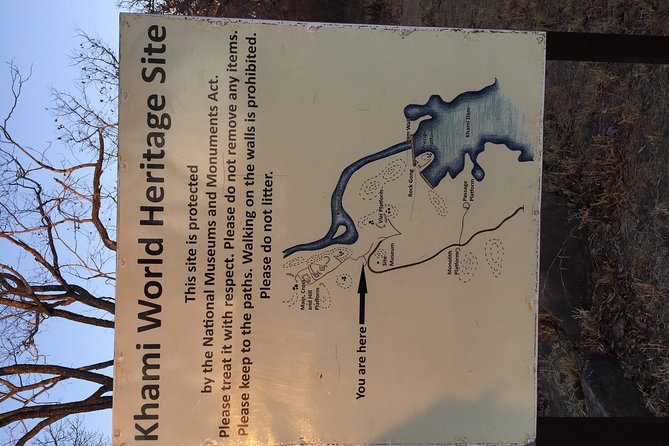
I would recommend Khami to anyone staying in Bulawayo who has an interest in archaeology, African history, traditional building methods, or UNESCO World Heritage Sites. It is also a good fit if you want a meaningful half-day outing rather than a standard city tour.
The private format suits couples, families, and small groups who prefer flexibility. It is particularly useful if you want to take photographs, record video, or ask a lot of questions. The air-conditioned vehicle makes the short transfer easier, and the included water and snacks remove a few minor chores.
You may want to choose another activity if your main aim is wildlife, dramatic scenery, or a fast list of city highlights. Khami is a thoughtful historical visit. Its pleasure comes from examining structures and listening to explanation, not from constant action.
The same applies if you have only a very short stop in Bulawayo. The drive is brief, but the site deserves enough time to understand its layout. Rushing through it would reduce the very qualities that make the excursion worthwhile.
Booking details worth checking before departure
You receive confirmation at the time of booking, and free cancellation is available up to 24 hours before the start time. If you cancel later, the payment is not refunded, and changes made within that final 24-hour period are not accepted.
The experience requires good weather. If poor weather causes cancellation, you can choose another date or receive a full refund. A minimum number of bookings is also required, and if that condition is not met, you will be offered another date or experience, or a full refund.
Because admission is not included, ask exactly where and how that fee is paid. Also confirm your pickup location, especially if you are staying outside central Bulawayo. These checks are simple, but they prevent surprises on a short outing.
Most people can participate, and the activity is private. The supplied details do not give a specific child policy, walking distance, or accessibility plan, so ask Bonisa Excursions directly if any of those points matter to you.
Should you book Khami Ruins?
Book it if you are in Bulawayo and want to understand Zimbabwe through its built heritage rather than simply see another attraction. The combination of a private ride, clear guiding, and a three-hour look at the Torwa capital makes the visit easy to fit into your plans.
I would be especially inclined to book if you value well-explained archaeology or want time for photography and video. Just budget for admission and taxes, confirm the pickup details, and allow enough time to walk slowly through the platforms and passageways.
If your budget is tight or you prefer to explore independently, the extra cost may give you pause. But for a private half-day trip to one of Zimbabwe’s less familiar UNESCO sites, Khami offers a solid and worthwhile experience.
FAQ
How long does the Khami Ruins trip take?
The main visit is listed as three hours. The overall duration is approximately two to four hours.
How far is Khami Ruins from Bulawayo?
Khami Ruins is about 30 minutes by car from central Bulawayo.
Is hotel pickup included?
Yes. Pickup is offered, and Lesley provides hotel pickup as part of the experience.
Is the tour private?
Yes. Only your group will participate in the private activity.
Is transportation included?
Yes. The tour includes private transportation in an air-conditioned vehicle.
Are snacks and water provided?
Yes. Bottled water and snacks are included.
Are admission fees included in the $80 price?
No. Admission tickets, fees, and taxes are not included.
Can I cancel for a full refund?
Yes, if you cancel at least 24 hours before the experience start time. Cancellations made less than 24 hours in advance are not refunded.
Just added around Zimbabwe
- Guide Tour of the Falls★ 5.0 · 3 reviews
- Chobe Full day Safari with Victoria falls Sunrise Tour Combo★ 4.5 · 3 reviews
- Safari in Victoria Falls and Zambezi National Park★ 5.0 · 3 reviews
- Boma Dinner & The Drum Show Experience★ 4.5 · 3 reviews
- Victoria Falls Sunset Cruise★ 5.0 · 3 reviews
- Victoria Falls: Elecrew Through The Eyes Of An Elephant★ 5.0 · 3 reviews
- Ultimate Falls Experience – Tour, Abseil, Swim & Hike★ 3.0 · 3 reviews
- Victoria Falls: Bush Experience and Stargazing D-F-ES-GB★ 4.3 · 3 reviews
1-Day Tours, compared.

Victoria Falls: Chobe National Park Day Trip with Lunch
Read our review →

From Kasane: Victoria Falls Day Trip (Zimbabwe side)
Read our review →
Chobe Day Trip – From Vic Falls – With Lunch (Buffet)
Read our review →


Browse the lists this tour appears in