
Reviewed · VICTORIA FALLS
Livingstone: Amazing Traditional Village & Dance Culture
Muke village gives you something the usual Livingstone sightseeing circuit cannot: time with a Lozi family, a village walk, a home-cooked meal, and a look at how traditional buildings are made. Guide Alex and his family lead the visit, with profits going to Tusoleke Trust School.
I like the direct community benefit, and I like the generous welcome built around food, conversation, and dance rather than a quick photo stop. The visit also includes a sunset canoe ride, which can be a beautiful finish, but seven hours can feel long and hot, especially during the afternoon.
Key points to know before booking

- Twenty minutes from Livingstone: Pickup and return transport are included from your hotel or hostel.
- Lozi village life: Walk through Muke, see traditional buildings, and learn how they are constructed.
- Community support: Tour income goes directly toward helping Tusoleke Trust School.
- Alex and his family: The experience has a personal, family-hosted feel, including a local lunch.
- Culture beyond a performance: You learn Lozi words, hear about village life, and watch a cultural dance.
- Zambezi sunset: A traditional wooden canoe ride is included, but check the canoe and water conditions before setting out.
A village visit with a clear local purpose
At $68 per person, this is not simply a sightseeing transfer with a short village stop. You are paying for transport, a guide, lunch, a village walk, school support, cultural activities, and a canoe ride over about seven hours.
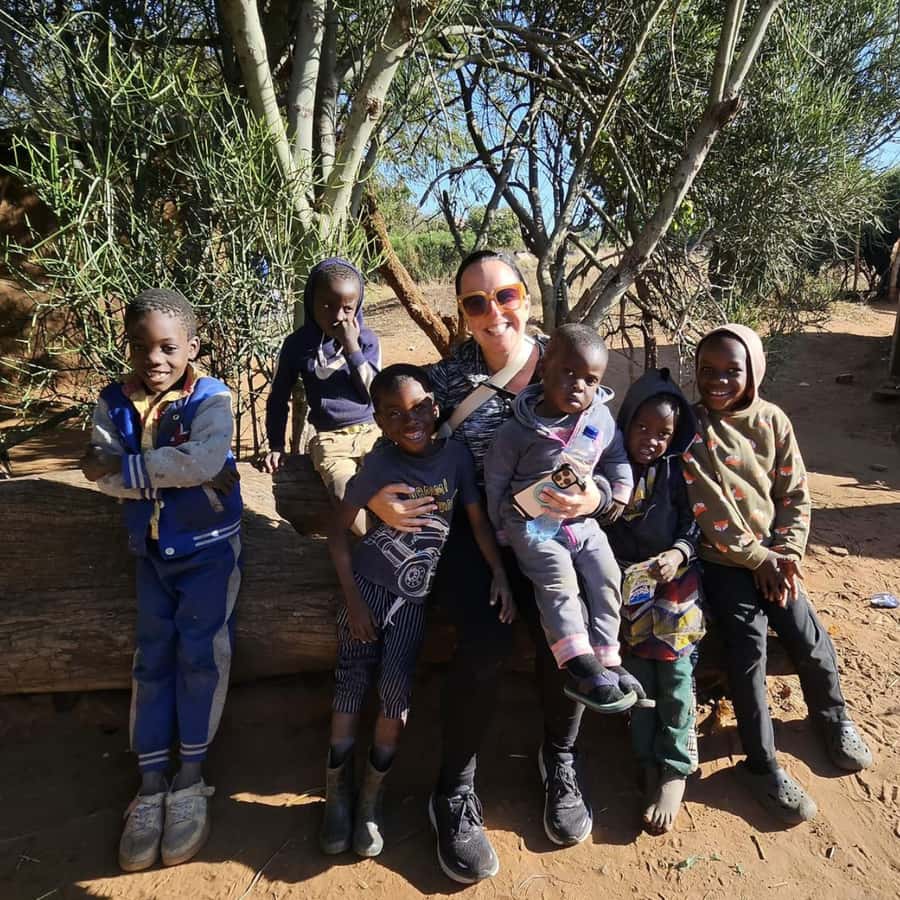
The most meaningful part is the connection to Tusoleke Trust School. The money from the village tours goes directly toward helping the school, which gives the outing a practical purpose beyond entertainment. If you prefer activities where your spending supports a local project, that detail matters.
You should also set your expectations correctly. This is not a polished museum or a staged theme park. It is a visit to a living village, guided by people connected to the community. The day works best if you are willing to listen, ask questions politely, eat local food, and accept that the pace may be less tightly controlled than on a standard commercial tour.
Other Livingstone trips people book alongside this one:
- From Victoria Falls: Livingstone Island Tour & Devils Pool
★ 4.6 · 235 reviews - Victoria Falls: Scenic Microlight Flight
★ 4.6 · 82 reviews - Livingstone: Zambezi River Sunset Cruise
★ 4.6 · 71 reviews
From Livingstone to Muke village
Pickup is included from your hotel or hostel. You are asked to wait in the lobby 10 minutes before the scheduled time, and the village is described as about 20 minutes from Livingstone.
That short transfer makes this an easy addition to a Livingstone stay. You do not lose a full day to a long road journey, and the setting changes quickly from town-based tourism to a more personal village visit.
The tour is offered as a private group, with an English-speaking guide. That is useful if you want to ask questions about family life, food, buildings, or local customs without having to compete with a large group.
The exact starting time depends on availability. The seven-hour format may suit you if you want a full cultural day, but it is worth asking about the schedule before booking. One participant found the early afternoon village walk too hot and suggested a shorter late-day format. That is a fair concern, particularly in warm weather.
Walking through a traditional Lozi village
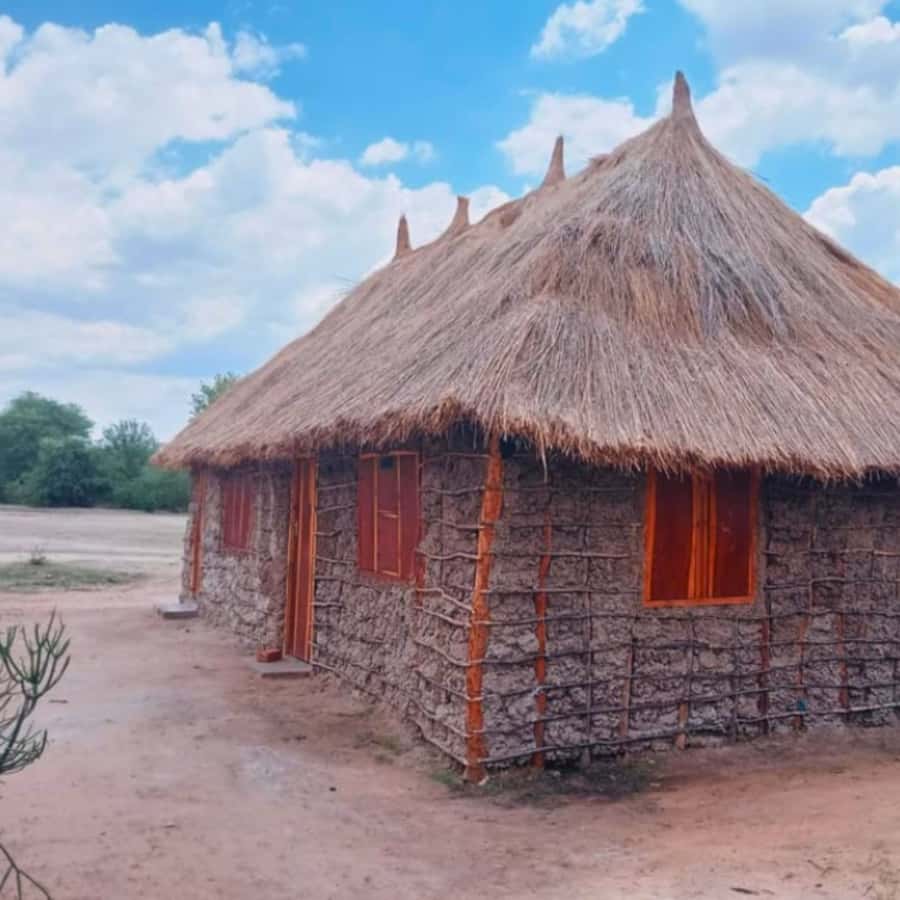
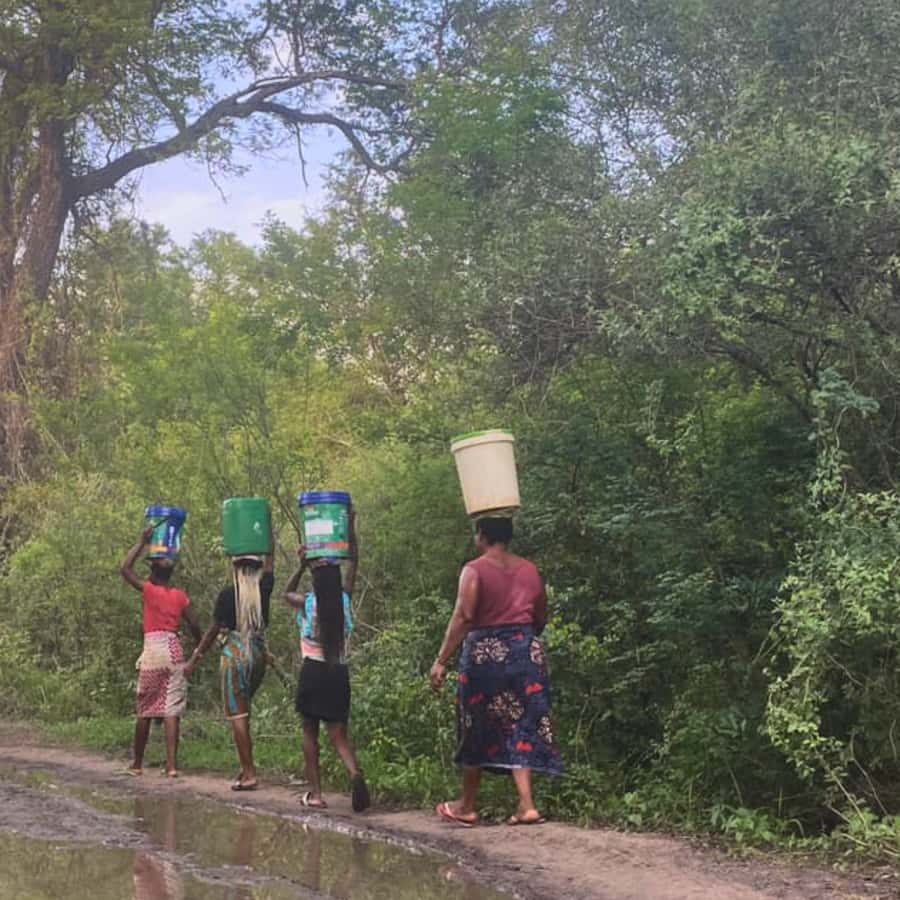
The village walk is the heart of the experience. You will see traditional buildings and learn from your guide how they are built. This is more useful than simply photographing an unfamiliar house because it gives you a reason to look closely at the materials, shape, and practical design.
The tour also explains what daily life is like in Muke. You may meet neighbors and relatives of the hosting family, and the visit has a social quality rather than the feel of a formal lecture. Alex has been described as a warm host who takes pride in improving his community, and that personal connection shapes the day.
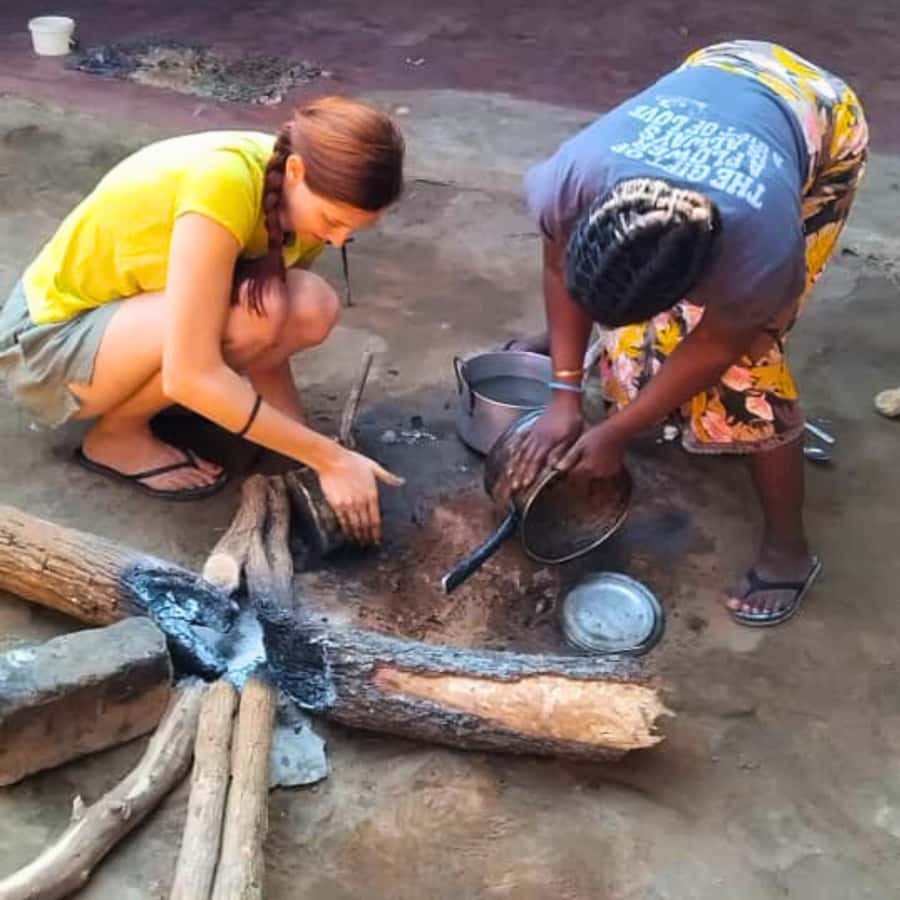
You will also learn about local alcohol production. The activity does not provide a full technical description in advance, so think of this as a cultural demonstration and explanation rather than a hands-on brewing course.
A few Lozi words are part of the planned experience. This is a small detail, but it changes the tone of a visit. Learning even a few local expressions gives you a respectful way to greet people and take part in the exchange.
Meeting Alex and sharing lunch with his family
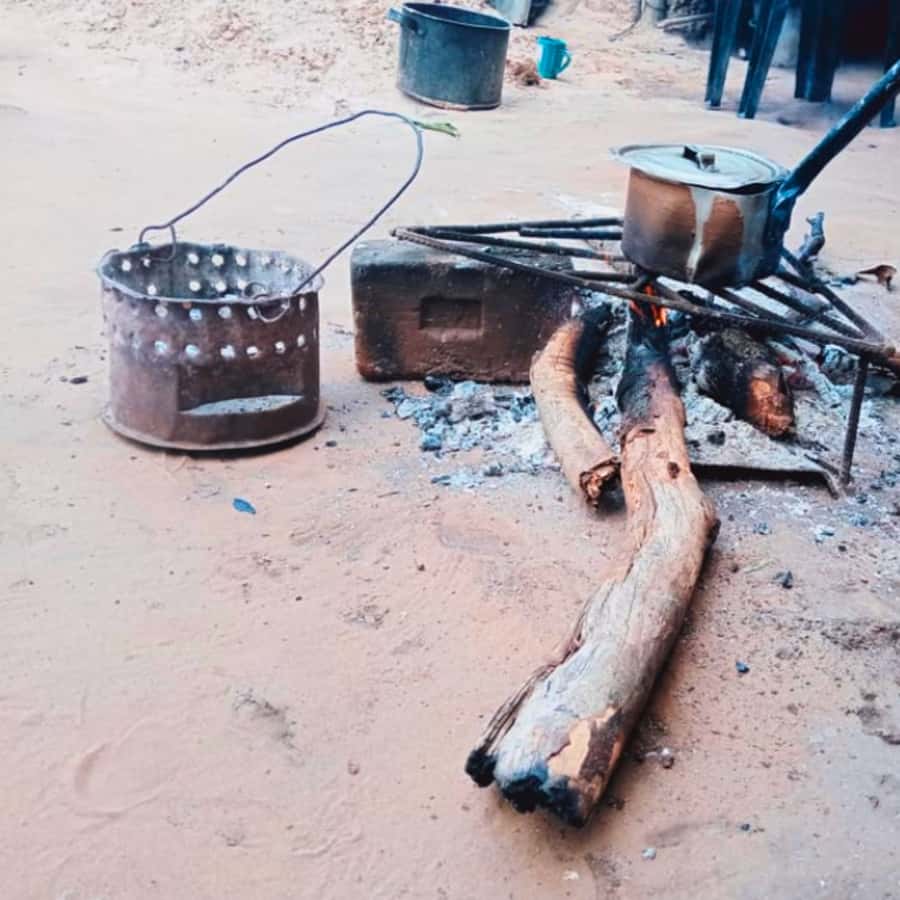
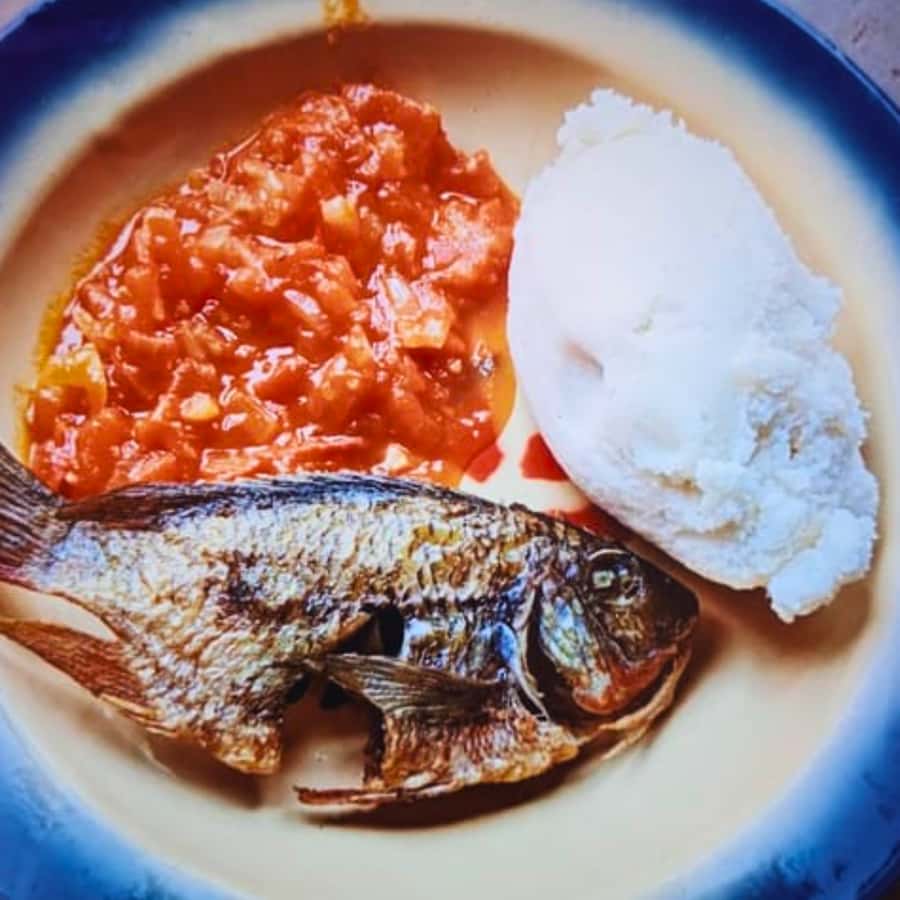
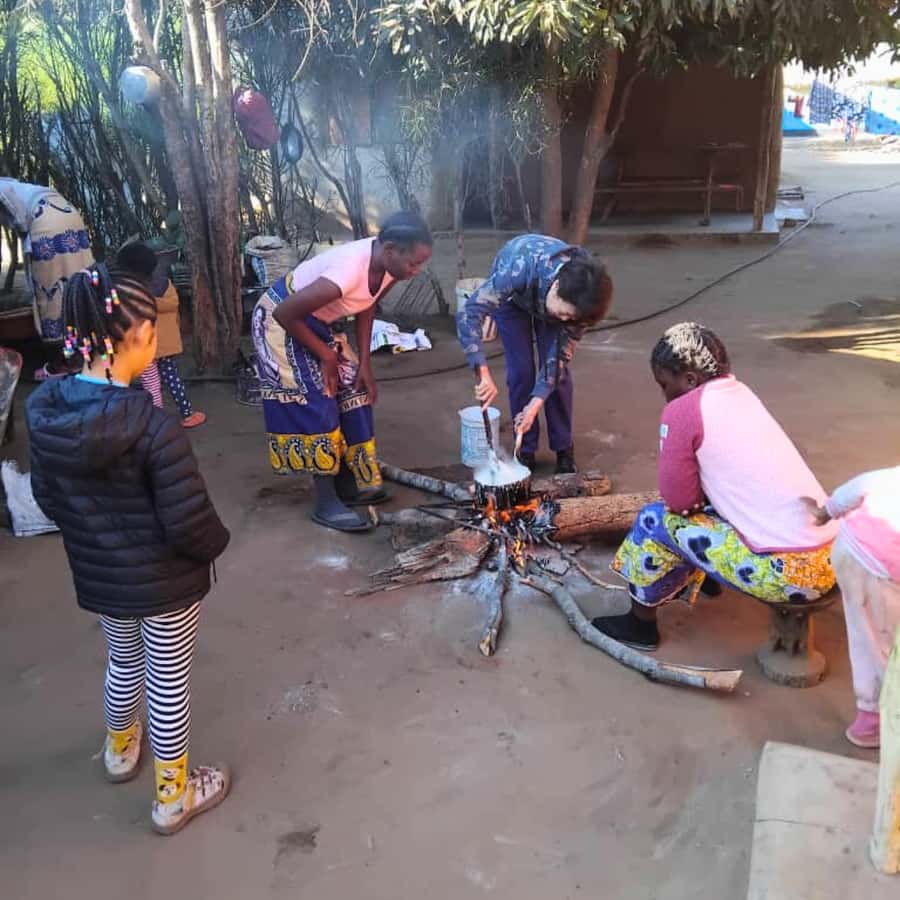
The meal is one of the strongest parts of the outing. Alex’s wife prepares a traditional lunch, and the food is described as handcrafted and home-cooked. You eat with the family rather than stopping at an ordinary restaurant, which gives the meal a more personal feel.
I would treat lunch as a central part of the experience, not an extra added to fill time. Food offers a natural way to talk about village life, ingredients, cooking methods, and family routines. It also gives you a break from walking in the heat.
The menu is not specified, so do not book this expecting a particular dish. Dietary needs are also not described in the available information. If you have allergies or follow a special diet, contact the provider before paying.
One practical point: water is not included. You must bring enough for the whole trip. That is especially important because the day combines transport, walking, lunch, dancing, and time beside the river. Bring a refillable bottle if you have one, but do not assume drinking water will be supplied.
Same river, a completely different kind of day:
- Victoria Falls Helicopter Flights
★ 4.8 · 62 reviews - Victoria Falls: Sunset Cruise on the Zambezi River
★ 4.6 · 57 reviews - Full Day White Water Rafting Tour
★ 4.9 · 42 reviews - Victoria Falls: Night Game Drive and 3-Course Bush Dinner
★ 4.4 · 27 reviews
Tusoleke Trust School and the value of the visit
A school visit adds an important layer to the tour. Tusoleke Trust School is the project that receives the tour profits, and seeing the school helps you understand where the money is intended to go.
The school may not always be open. One visit took place on a Saturday, when the school was closed, so the participant found there was less to see at that stop. I would ask about the school schedule if this part of the day is especially important to you.
Even if the school is closed, the tour still includes the village, food, cultural dance, and canoe ride. But the school visit should be viewed as a possible part of the experience rather than a guaranteed active classroom visit.
When visiting a school or village, good manners matter. Ask before taking photographs of people, especially children, and follow the guide’s direction. The goal is a respectful exchange, not a quick display for a camera.
Learning through Zambian dance and music
After coffee and tea, you watch a cultural dance from Zambia. The dance is not presented as a stand-alone evening show. It follows the village visit and meal, so you have already spent time with the people involved.
That context makes the performance more meaningful. You have learned a little about the village, met local people, and heard about traditions before seeing dance used as a form of cultural expression.
Children from the village took part in dancing during one visit. That can be a joyful moment, but it also means the experience may vary with the day, the group, and what is happening in the village. The listing includes a cultural dance, but it does not promise a fixed professional production with a large cast or elaborate staging.
Coffee and tea are listed as included. One participant did not receive them, so I would mention this politely to the guide if the break does not happen. The same applies to the planned Lozi language lesson. The day has several moving parts, and some elements may receive less time than others.
The sunset canoe on the Zambezi
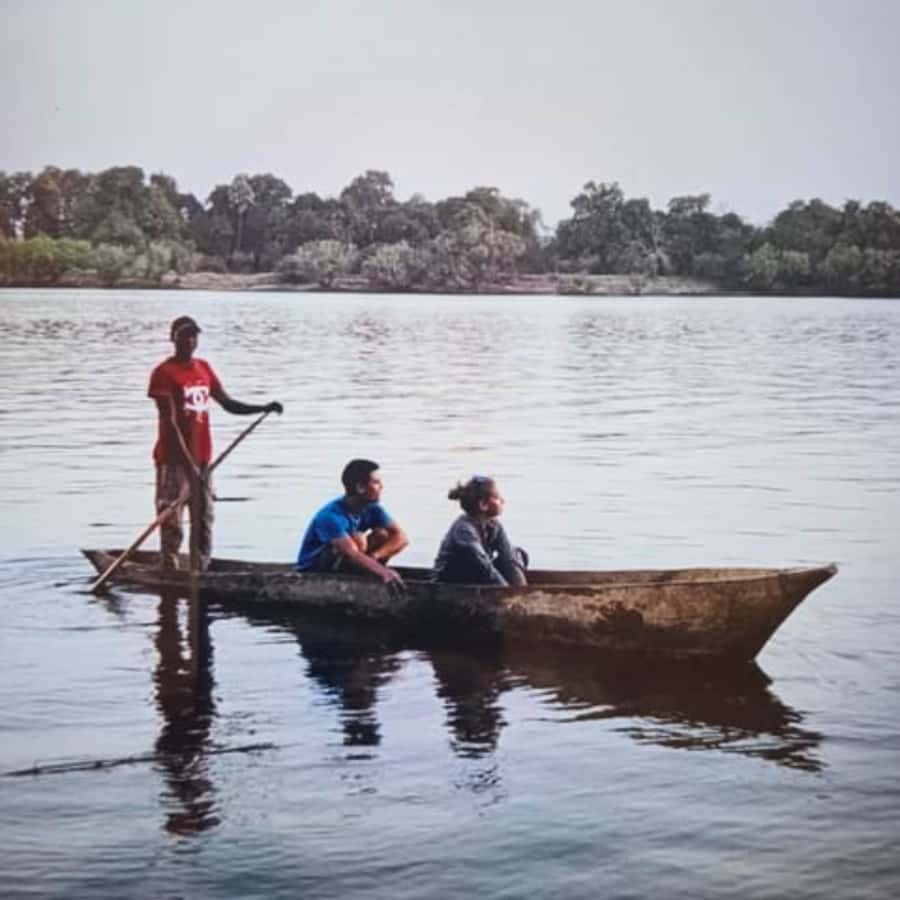
The canoe ride is meant to be the final scenic part of the day. You walk to the Zambezi and take a traditional wooden canoe around sunset. One participant described the sunset as excellent, and I can see why this portion appeals: the river gives the day a quiet finish after the social energy of the village and dance.
The area may also offer sightings of hippos, lions, elephants, or crocodiles. These animals are possible, not promised. If you see wildlife, follow the guide’s instructions closely and keep your distance.
Here I would be more careful than the cheerful activity description suggests. One canoe was reported to be leaking and difficult to balance, and the participant felt it was unsafe near hippos and crocodiles. That may have been a one-day equipment problem, but it is a useful warning. Before launching, check that the canoe appears sound, ask about the route and wildlife conditions, and do not continue if you feel unsafe.
A traditional wooden canoe may be a memorable experience, but it is not the same as a large, stable sightseeing boat. If you are not comfortable with a small canoe, ask whether you can watch the sunset from the riverbank instead.
Heat, timing, and what to pack
The biggest practical issue is the length of the day. Seven hours gives room for a fuller visit, but the village walk may take place during the hottest part of the afternoon, depending on the start time.
Pack:
- Plenty of drinking water
- Sunscreen
- Rain gear
- Biodegradable insect repellent
- Comfortable clothing and shoes for walking
Rain gear is sensible because conditions can change, and insect repellent is useful near the river. A hat is not listed but would be a practical addition for the walk. Since water is specifically excluded, do not leave this basic item to chance.
The tour is private, which should make it easier to discuss the pace with Alex. If you are traveling in a small party, ask whether the walking portion and canoe ride can be timed to avoid the harshest heat. The published schedule may not be adjustable, but it is worth asking before the day begins.
Is $68 good value?
The price is fair if you want a community-based cultural experience with several parts included. Transport alone, plus a private English-speaking guide, lunch, school visit, dance, and canoe ride, gives the fee more substance than a basic village photo stop.
The value also depends on how much of the program runs as planned. If the school is closed, coffee and tea are missed, the language lesson does not happen, or the canoe cannot be used safely, the seven-hour package feels less convincing. That is why I would judge the price by the overall quality of the day rather than by the number of listed inclusions.
You are also supporting Tusoleke Trust School, which may be a deciding factor. A cheaper activity might offer less direct benefit to the community, while a more expensive one might provide a more polished production. This tour sits in the middle: personal, local, and useful, but not highly formal.
The high overall rating of 4.8 out of 5 from seven bookings reflects that the main strengths are clear. The warm hosting, lunch, village contact, and sunset river setting have made a strong impression. The lower score points to equally clear weaknesses: heat, length, uncertain inclusions, and canoe condition.
Who will enjoy this experience most?
I would recommend this to you if you want:
- A personal village visit near Livingstone
- Direct contact with a local family
- A traditional lunch rather than a standard restaurant meal
- A cultural experience that supports a school
- A private group and an English-speaking guide
- A flexible day with conversation, walking, food, dance, and river time
It suits curious visitors who enjoy learning through ordinary details. You do not need to be an expert in Zambian culture. You only need patience and a willingness to take part respectfully.
It may be less suitable if you want a tightly timed tour, air-conditioned sightseeing, a short activity, or a guaranteed wildlife encounter. It may also be a poor fit if you dislike heat, small canoes, or informal community visits.
Families may appreciate the school and village focus, but the long duration and river safety issues deserve careful thought. Older visitors or anyone sensitive to heat should ask about timing and walking distance before booking.
Booking details worth keeping in mind
You can cancel up to 24 hours before the activity for a full refund. A reserve-now-and-pay-later option is available, so you do not have to pay at the time of booking.
Pickup is included from a hotel or hostel, and you should wait in the lobby 10 minutes before pickup. The guide speaks English, and the group is private.
There is no water included. That is the one item I would treat as essential rather than optional. Bring enough for the entire seven hours, along with sun protection and biodegradable insect repellent.
Should you book the Muke village tour?
Book it if you want a friendly, community-focused day that brings you close to village life and gives money to Tusoleke Trust School. Alex and his family provide the human center of the experience, and the combination of lunch, conversation, dance, and a Zambezi sunset gives the day real variety.
Before confirming, ask about the starting time, school opening hours, coffee and tea, and the condition of the canoe. If the day can be arranged to avoid the worst afternoon heat, the experience is more appealing.
I would not book it blindly as a polished seven-hour attraction. I would book it as a flexible local visit, with the understanding that village life is not a stage set and that the river portion deserves a proper safety check. For the right kind of visitor, that honesty is part of the value.
FAQ
How far is Muke village from Livingstone?
Muke village is about 20 minutes from Livingstone. Transportation to and from Livingstone is included.
How long does the activity last?
The activity lasts seven hours. Starting times depend on availability.
Is hotel pickup included?
Yes. Pickup and return transportation from your hotel or hostel are included. You should wait in the lobby 10 minutes before the scheduled pickup time.
What language does the guide speak?
The live tour guide speaks English.
Is the tour private?
Yes. The activity is offered for a private group.
Is food included?
Yes. A traditional lunch, along with coffee and tea, is included in the planned activity. Water is not included, so you must bring enough for the full trip.
Does the tour include a school visit?
Yes. The program includes a visit to Tusoleke Trust School. The school may be closed on some days, including Saturdays.
Is the canoe ride included?
Yes. A sunset canoe ride on the Zambezi is included. Wildlife such as hippos, lions, elephants, or crocodiles may be seen, but sightings are not guaranteed.
Just added around Livingstone
- Victoria Falls National Park: Horseback Safari★ 5.0 · 3 reviews
- GUIDED TOUR OF THE VICTORIA FALLS ON THE ZAMBIAN SIDE★ 5.0 · 3 reviews
- Victoria Falls and Mukuni Village Visit★ 4.8 · 4 reviews
- Cultural And Village Tour★ 4.1 · 4 reviews
- From Livingstone: Full or Half Day Canoe Safari★ 4.3 · 4 reviews
- Safari Drive & Rhino Walks in Mosi-oa-Tunya National Park★ 4.6 · 5 reviews
- Victoria Falls: Night Game Drive and 3-Course Bush Dinner★ 4.4 · 27 reviews
- Full Day White Water Rafting Tour★ 4.9 · 42 reviews