
Reviewed · GREAT ZIMBABWE & MATOBO TOURS
Great Zimbabwe: The World’s View Historical Site !!
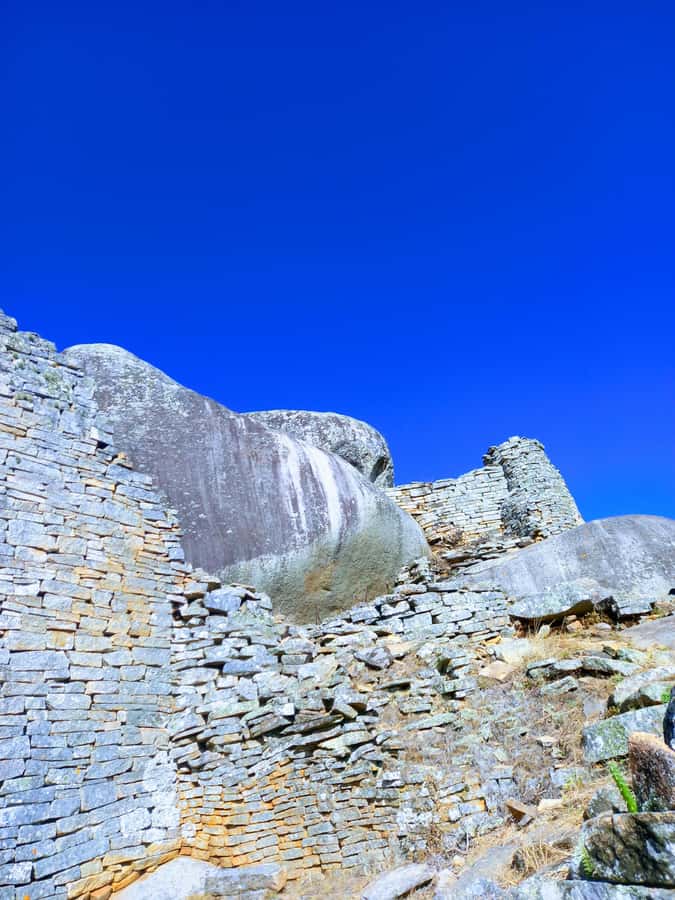
Great Zimbabwe is not a pile of old stones. It is a vast royal center built by Shona ancestors between the 11th and 15th centuries, with granite walls fitted without mortar and a famous conical tower whose purpose still invites debate. The site gave modern Zimbabwe its name, and the scale becomes clear only when you walk its steep paths, narrow passages, and broad enclosures.
I like the private format, which keeps the day personal rather than rushed through a large group. I also like the way Lance is described as a driver, guide, historian, storyteller, comedian, and fixer, giving the long road trip a human touch. The main drawback is the distance: this is a 12-hour day, with roughly four hours each way between Harare and Masvingo, so it asks for stamina.
Key points to know before booking
- Great Zimbabwe’s Hill Complex gives you the strongest sense of a royal and spiritual center, with stone passages and high views over the surrounding country.
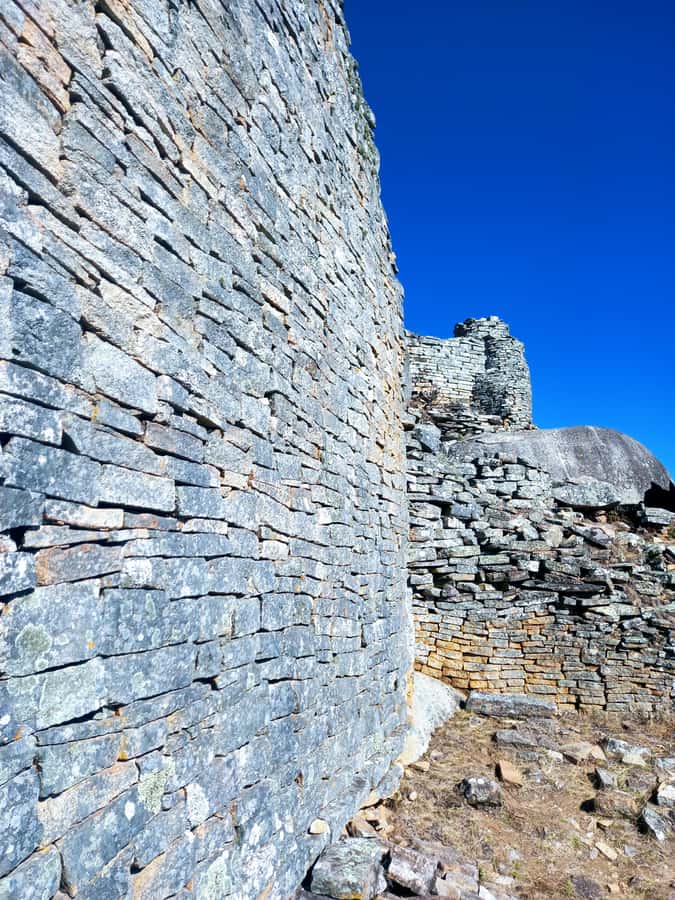
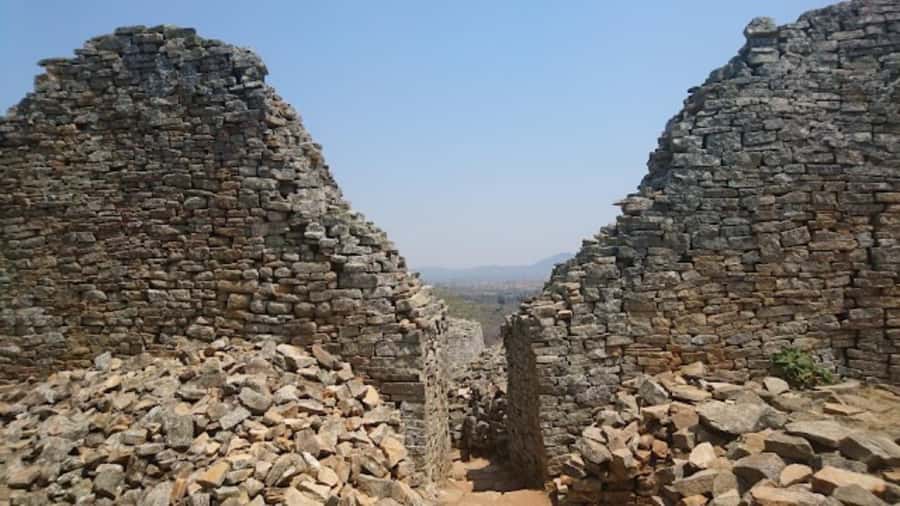
- The Great Enclosure is the architectural star, built from carefully stacked granite blocks without mortar and marked by its unusual conical tower.
- Lance leads the private experience, combining transport, guiding, history, humor, and practical help in one package.
- The long road from Harare makes this a serious day trip, not a quick outing, but transport, entry fees, snacks, and refreshments are covered.
- Lake Kyle, crafts, and traditional dance can add variety beyond the ruins, though food is paid separately.
- The $400 price makes the most sense for visitors who value private transport and a full cultural day rather than the cheapest possible route.
Why Great Zimbabwe matters beyond its stone walls
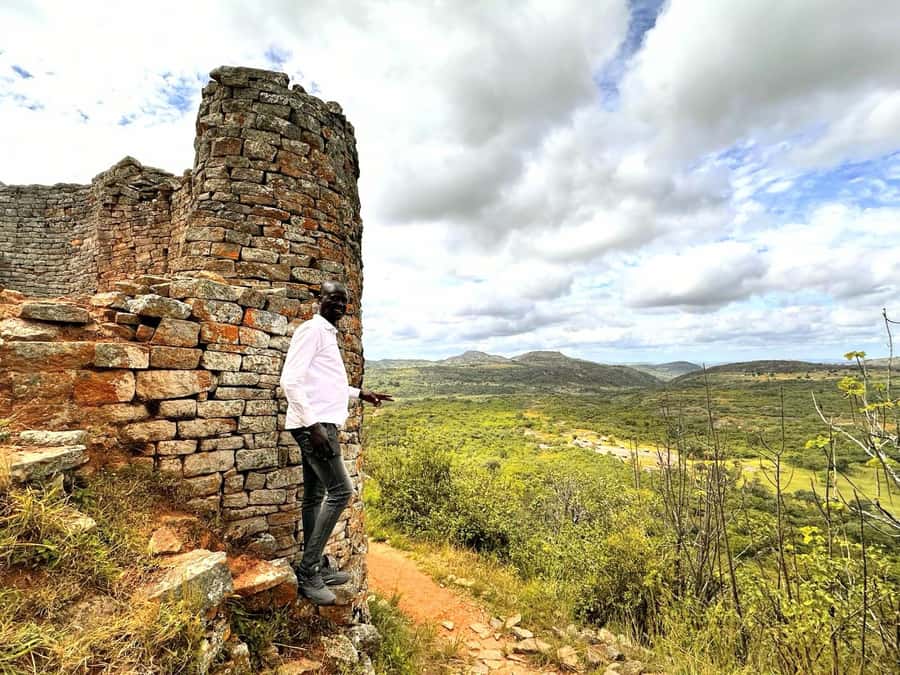
I find Great Zimbabwe most rewarding when I treat it as a former capital, not simply an archaeological stop. This was a major center of power, trade, belief, and community life, built by the ancestors of the Shona people long before modern Zimbabwe took shape.
The ruins also challenge old assumptions about African history. The granite construction required planning, labor, engineering, and authority. Trade links reached toward the Swahili Coast, Arabia, and Asia, showing that this inland city was connected to a much wider world.
Your guide can help turn those facts into a readable story. Instead of looking at walls in isolation, you can ask what they meant, who used each area, and how power may have been organized. That human context matters, especially at a site where the stones themselves do not explain everything.
The setting adds to the effect. You get broad views, birdlife, and a quiet sense of distance from the capital. It is not a polished theme park, and that is part of the appeal. The ancient spaces feel open to the sky and tied to the surrounding country.
More Great Zimbabwe and Matobo trips:
- The Best of Matobo
★ 5.0 · 39 reviews - Matobo Rhino Encounter
★ 5.0 · 33 reviews - Matobo Hills Day Trip with Rhino Tracking
★ 5.0 · 22 reviews
Leaving Harare for the four-hour road to Masvingo
The day begins with pickup at Robert Gabriel Mugabe International Airport or a Harare hotel. At the airport, the vehicle is identified by its registration and a placard carrying your booking name, which is a useful detail when you are arriving tired or trying to find a private driver in a busy pickup area.
Transport to Masvingo and back is included. The road portion is a major part of the experience, so think of this as a full-day historical journey rather than a short city excursion. Snacks and refreshments are provided during the ride, but you should plan to pay separately for food.
A private vehicle gives you more breathing room than a large scheduled group. You can ask questions as the road unfolds, and the host-style approach is designed to keep the journey relaxed. Omar from Sweden described Lance as a driver, guide, historian, orator, fixer, comedian, and party pleaser in one. That combination is useful on a long day, since good company matters when several hours are spent on the road.
You should wear comfortable clothes and bring a hat, camera, and passport or ID card. The site includes walking and hiking, so practical clothing is more useful than anything dressy. A camera is worthwhile, but the views and stonework also reward simply slowing down.
The Hill Complex, where the royal story begins
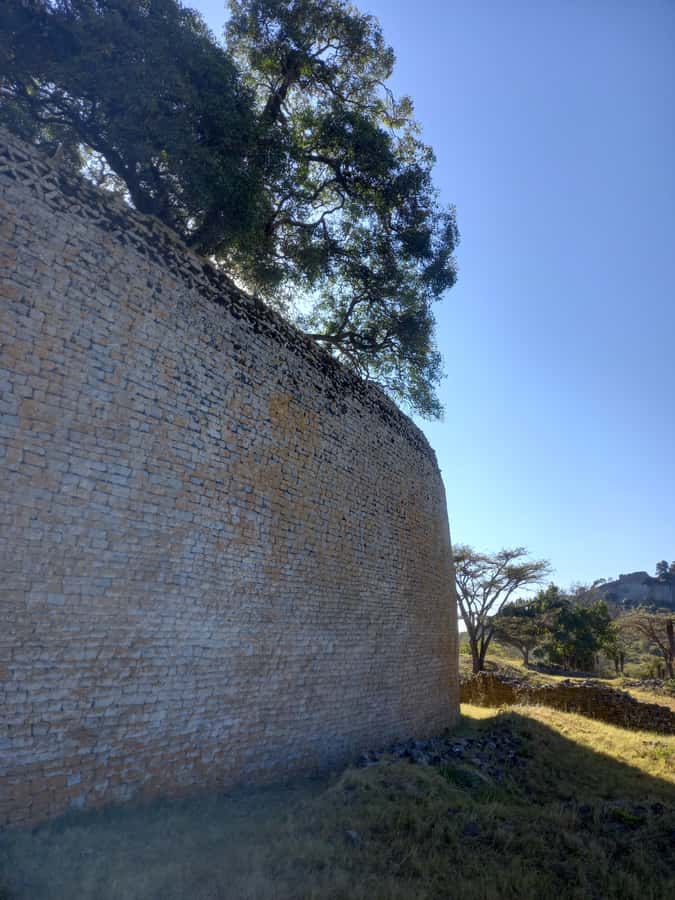
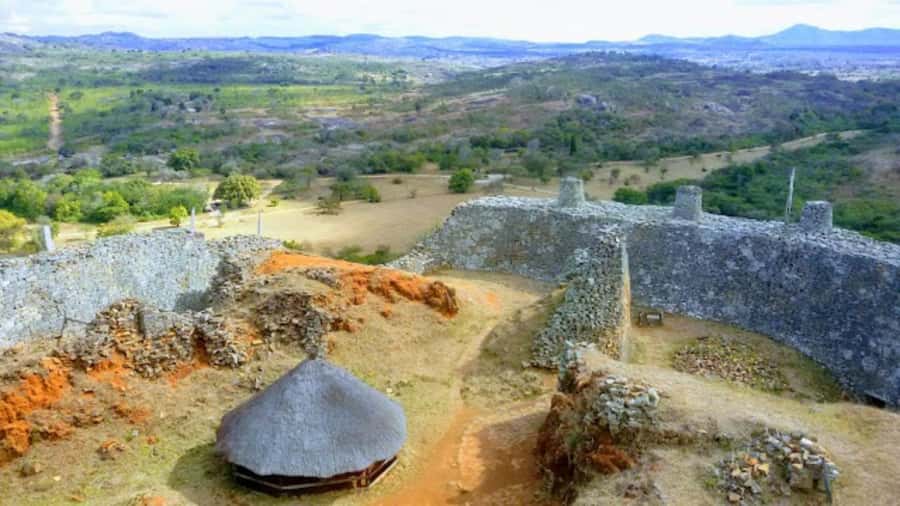
The guided visit starts at the Hill Complex, the oldest section of Great Zimbabwe. It sits above the surrounding area and is linked with royal and spiritual activity.
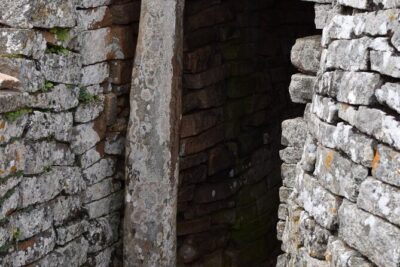
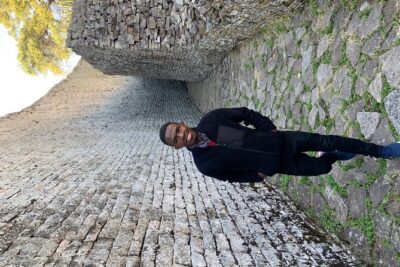
The climb and stonework make this section feel more intimate than the Great Enclosure. You move through narrow passages and terraces, with walls shaping your view and your pace. These details give you a better sense of how carefully the builders controlled movement through the site.
Your guide brings in stories of kings, ancestors, rituals, and political power. Since the ruins do not preserve every answer, listen for the difference between established evidence and interpretation. That makes the visit more interesting, not less. Ancient places often leave room for questions, and Great Zimbabwe is at its best when you are encouraged to think rather than handed a tidy answer for everything.
The Hill Complex is also a good place to appreciate the location. From above, the site connects with the open country around it. You can see why height mattered for visibility, authority, and spiritual meaning, even as you remember that some details about its original use remain debated.
Expect uneven walking and some effort. The activity is not suitable for wheelchair users, and people with epilepsy are advised not to take part. Anyone concerned about mobility or physical strain should consider those limits before booking.
The Great Enclosure and its remarkable granite curves
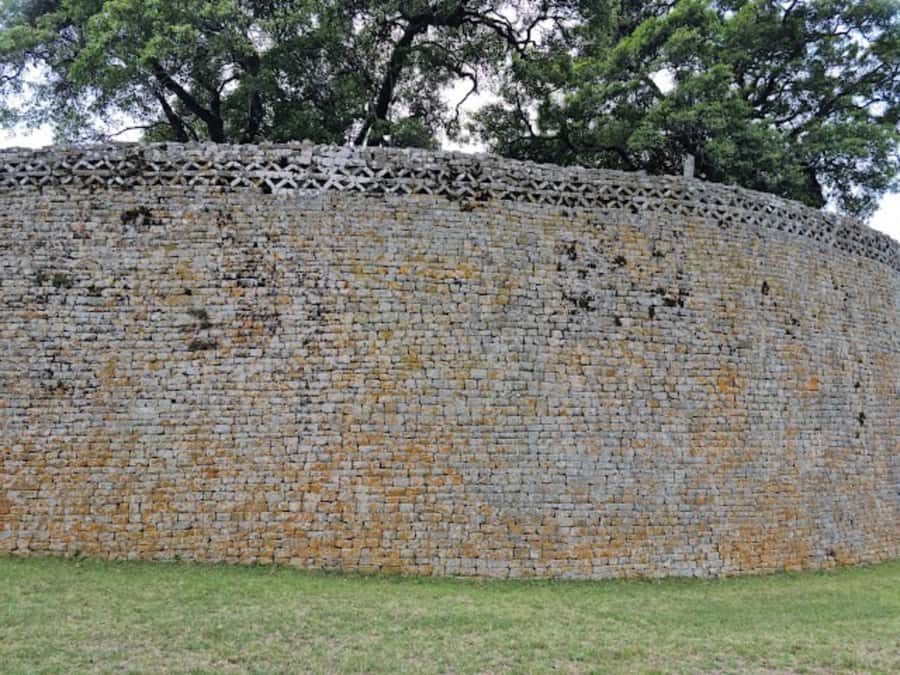
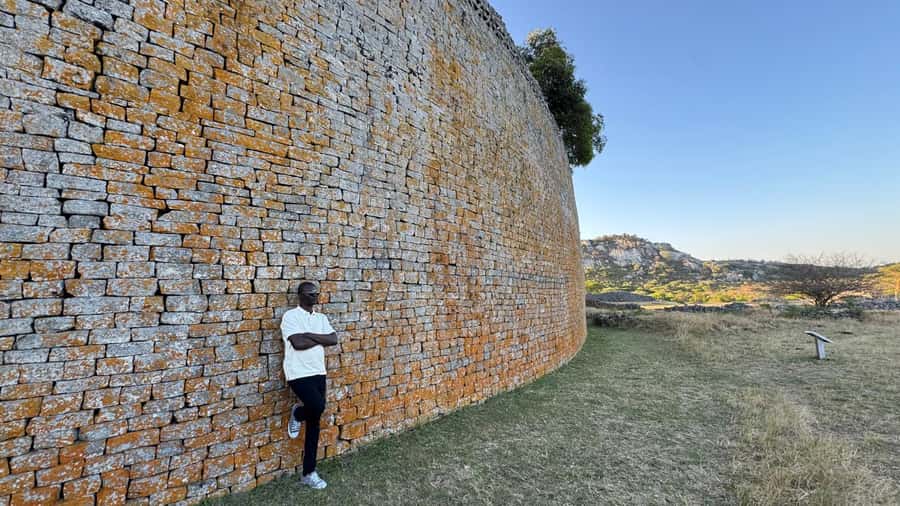
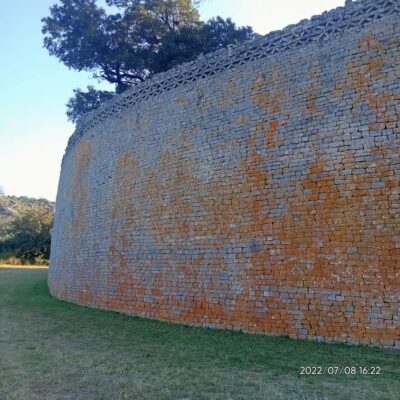
The Great Enclosure is the visual centerpiece. Its granite blocks were stacked without mortar, yet the walls form tall, sweeping curves. Some rise more than 10 meters, giving the structure an impressive presence even after centuries of weather and change.
I like this part because the engineering is easy to appreciate without specialist knowledge. Look closely at the regular stonework, the changing height of the walls, and the way the enclosure guides your eye. The builders achieved strength and shape with local granite blocks, careful placement, and a clear sense of design.
The famous conical tower adds mystery. It is unique to Great Zimbabwe and is linked with authority and prosperity, though the exact meaning is not presented as a simple solved question. You can enjoy the form itself while listening to the ideas surrounding it.
This is where the value of a live guide becomes especially clear. A self-guided walk could show you a wall, but a good explanation connects that wall to leadership, trade, ceremony, and the organization of a large settlement. Martina from Croatia praised Lance’s humor, kindness, and ability to share many interesting details. That mix can make the technical parts easier to absorb.
The enclosure may also be the busiest part of your visit, depending on conditions at the site, but the private group keeps your own schedule more flexible. You are not locked into the pace of a large coach party.
Same river, a completely different kind of day:
- Helicopter Scenic Flight over Victoria Falls 12-13 minutes Flight
★ 5.0 · 1,391 reviews - Victoria Falls: Dinner Cruise on the Zambezi River
★ 4.9 · 925 reviews - Victoria Falls: Chobe National Park Day Trip with Lunch
★ 4.7 · 518 reviews - Dinner Cruise on the Zambezi River
★ 5.0 · 518 reviews
The Valley Ruins and the daily life behind the monument
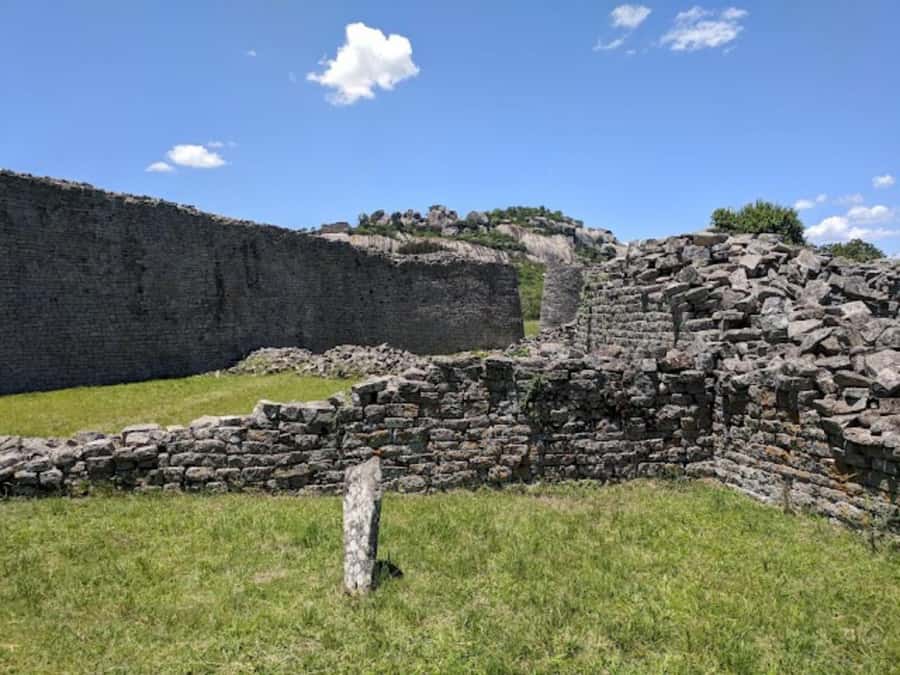
The Valley Ruins shift attention from rulers and grand walls to ordinary life. This area is associated with homes, workshops, and shared spaces, offering clues about how people lived and worked within the city.
I value this stop because huge monuments can make the past seem distant. The Valley Ruins bring the scale back to households, production, and community routines. They help you picture Great Zimbabwe as a functioning city of thousands, not only a ceremonial place for kings.
The guide can also help explain how different areas may have supported different social and economic roles. You should not expect every building to come with a clear label or complete story. Instead, pay attention to the layout, the surviving foundations, and the way the city was organized across the hills and valleys.
This is a walking visit, so comfortable footwear and a hat are sensible. The combination of open ground, stone paths, and time on your feet is part of the experience, but it is also why the day may feel demanding by late afternoon.
The museum, crafts, and living culture
The on-site museum adds useful objects and context after you have seen the ruins. Artifacts, traditional tools, pottery, and historical interpretation help connect the stone structures with the people who built and used them.
I recommend visiting the museum even if you usually prefer outdoor sites. After walking through the enclosures, objects can make daily life easier to picture. Tools and pottery are modest compared with the giant walls, but they help fill in the human story.
The day may also include an arts and crafts market visit. This gives you a chance to see local creative work and support purchases that have a direct connection to present-day culture. Take your time, ask about items, and buy only what you genuinely want to carry home.
A traditional dance show may be part of the Masvingo portion of the day. It adds a living cultural element to a visit focused mainly on ancient stonework. The exact flow can vary, so treat it as an added feature rather than the central reason to book.
An optional scenic drive along Lake Kyle provides another change of pace. The lake views and birdlife can make the return or local touring section more varied, especially after several hours among ruins. If you are deciding between extra stops and more time at the monument, tell your guide what matters most to you.
Is $400 per person fair value?
At $400 per person, this is not a budget day trip. The price needs to be judged against what is included: private transport from Harare to Masvingo and back, entry fees to Great Zimbabwe, an English-speaking live guide, refreshments and snacks, and help with pickup and drop-off.
The value is strongest if you are short on time, do not want to arrange a long-distance journey yourself, and care about having a guide who can explain the site. You are paying for the entire day, not only access to the ruins. The private group format also matters if you prefer questions, a personal pace, and less waiting for strangers.
Food is not included, so budget separately for lunch. That is a small but important point when comparing the total cost. You should also consider the physical and time commitment. A 12-hour schedule can be excellent for a first visit to Zimbabwe, but it may feel too long if you prefer slow travel with an overnight stay near Masvingo.
For two or more people, compare the total private cost with the convenience of arranging transport independently. The best value depends on how much you place on simplicity, guiding, and a hosted day.
Who will enjoy this day most?
I would recommend this trip to anyone with a serious interest in African archaeology, Shona culture, architecture, or Zimbabwean identity. It also suits first-time visitors who want one major historical experience outside Harare without changing hotels.
You will get the most from it if you enjoy walking, asking questions, and spending time with one guide. Lance’s reported range of skills is a strong reason to choose this particular style of outing. The day is built around conversation and interpretation, not just transport to a photo stop.
It may be less suitable if you dislike long drives, have limited walking ability, or want a short, easy excursion. The activity is not suitable for wheelchair users, people with epilepsy, or people over 95 years old. Those restrictions should be taken seriously.
The private format can also work well for couples, families with older children, or small groups who want to shape the day around their interests. Since the group is private, you can make better use of the guide’s attention than you would on a large scheduled tour.
Practical details that make the day easier
Pickup is available at Robert Gabriel Mugabe International Airport and drop-off is also listed there, with hotel pickup arrangements using the booking name. Confirm your exact pickup point and keep your phone available, even though the vehicle uses registration details and placards for identification.
Bring your passport or ID card, hat, camera, and comfortable clothing. Snacks and refreshments are supplied during the drive, while meals are paid separately.
Free cancellation is available up to 24 hours before departure for a full refund. You can also reserve now and pay later, which helps if your Harare plans are still shifting. Starting times depend on availability, so check the schedule before committing to connecting transport or an airport departure.
Should you book Great Zimbabwe from Harare?
Book it if Great Zimbabwe is high on your list and you want a private, guided day with transport handled from start to finish. The combination of the Hill Complex, Great Enclosure, Valley Ruins, museum, and optional cultural stops gives you a fuller picture than a quick monument visit.
I would hesitate only if the four-hour journey each way feels excessive, or if $400 per person stretches your budget. For the right visitor, the fee buys more than a seat in a vehicle. It buys access to a major national site, an English-speaking guide, entry, refreshments, and a day shaped around personal attention.
The strongest reason to choose this outing is Lance’s host-style approach. His role appears to extend well beyond driving, bringing history, humor, practical help, and a sense of occasion to a demanding day. If you want Great Zimbabwe explained as a living part of Zimbabwean identity, not just photographed as an ancient ruin, this trip is a strong choice.
FAQ
How long does the Great Zimbabwe day trip take?
The experience lasts 12 hours. Great Zimbabwe is near Masvingo, about four hours from Harare, so the day includes substantial driving as well as the visit.
Where can pickup and drop-off take place?
Pickup and drop-off are available at Robert Gabriel Mugabe International Airport in Harare. Hotel pickup arrangements use the vehicle registration, airport placards, or booking name.
What does the price include?
The $400 per person price includes transport to Masvingo and back, entry fees to the Great Zimbabwe Monuments, refreshments and snacks during the ride, and a live English-speaking guide. Food is paid separately.
Is this a private tour?
Yes. The activity uses a private group format with an English-speaking live guide.
What should I bring?
Bring your passport or ID card, a hat, camera, and comfortable clothes. Walking and hiking are part of the visit.
Who is this activity not suitable for?
The activity is not suitable for wheelchair users, people with epilepsy, or people over 95 years old. You can cancel up to 24 hours in advance for a full refund, and reserve now while paying later.
More Historical Tours in Zimbabwe
- Victoria Falls: Cultural Tour with High Tea
★ 4.8 · 12 reviews - Victoria Falls Historical Bridge Tour !
★ 5.0 · 6 reviews - Victoria Falls Village Cultural Tour – Authentic Experience
★ 5.0 · 3 reviews
Just added around Zimbabwe
- Guide Tour of the Falls★ 5.0 · 3 reviews
- Chobe Full day Safari with Victoria falls Sunrise Tour Combo★ 4.5 · 3 reviews
- Safari in Victoria Falls and Zambezi National Park★ 5.0 · 3 reviews
- Boma Dinner & The Drum Show Experience★ 4.5 · 3 reviews
- Victoria Falls Sunset Cruise★ 5.0 · 3 reviews
- Victoria Falls: Elecrew Through The Eyes Of An Elephant★ 5.0 · 3 reviews
- Ultimate Falls Experience – Tour, Abseil, Swim & Hike★ 3.0 · 3 reviews
- Victoria Falls: Bush Experience and Stargazing D-F-ES-GB★ 4.3 · 3 reviews
Great Zimbabwe & Matobo Tours, compared.


MASVINGO; GREAT ZIMBABWE MONUMENT TOUR – FROM HARARE
Read our review →
Khami Ruins & Matopos Silunguzi Village Day Tour!
Read our review →Browse the lists this tour appears in