
Reviewed · GREAT ZIMBABWE & MATOBO TOURS
Matobo Rhino Encounter
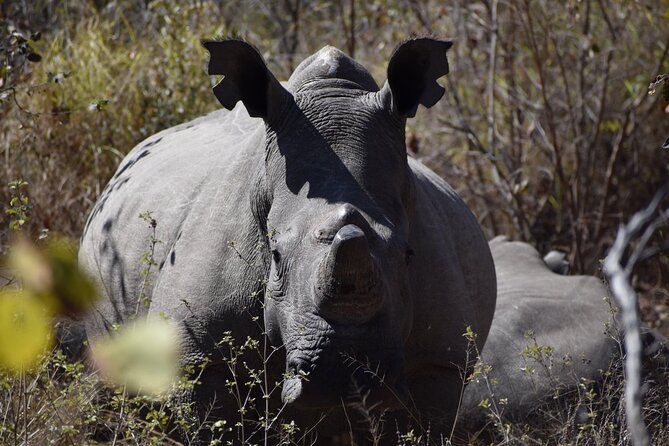
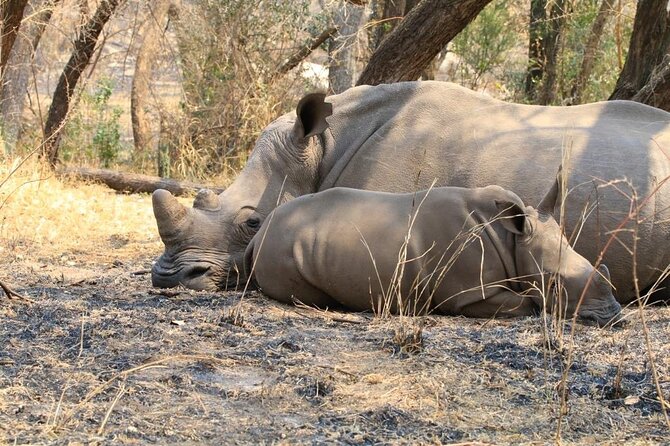
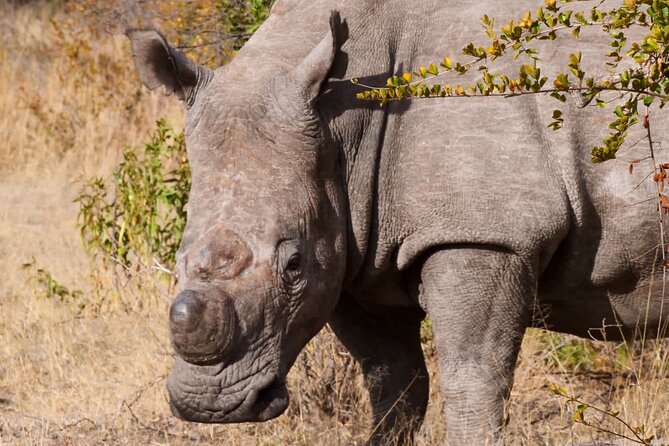
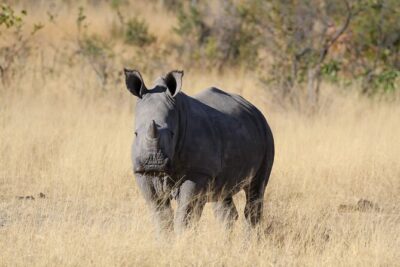
Getting close to white rhinos is the main event here, but the best part is how you reach them. Instead of sitting in a vehicle all day, you walk with a local guide and park rangers, reading tracks, plants, wind, and animal dung as clues to life in Matobo National Park. The group is capped at eight people, which gives the bush walk a personal feel.
I like the mix of wildlife and human history. You may spend about 25 minutes watching rhinos, then shift focus to ancient cave paintings and the survival skills used by early people in this dry savannah. I also like that lunch, drinks, hotel pickup, digital photos, and ranger contact are included.
The main drawback is the timing. The start is 1:00 pm, and the outing runs about five to six hours, so you need an afternoon and evening free. Walking in sun and uneven ground also calls for closed shoes, a hat, sunscreen, and a fair level of comfort outdoors.
Key points to know before you book
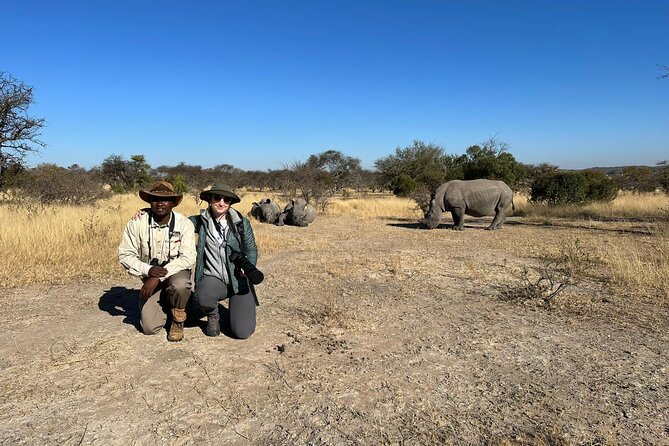
- White rhino tracking on foot: You approach rhinos in their natural setting with a guide and park rangers, rather than simply viewing them from a vehicle.
- A maximum of eight people: The small group helps you hear the guide, ask questions, and keep the walk focused.
- Bush skills with a practical edge: Learn to read footprints and dung, identify medicinal plants, and understand how people once found remedies in the wild.
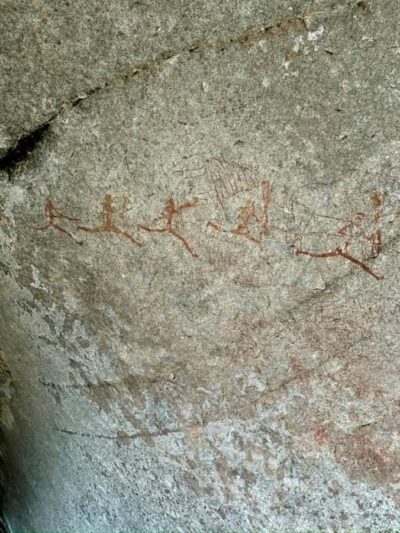
- Ancient rock art included: Visit a large cave with paintings made thousands of years ago by San ancestors.
- A full afternoon with food and drinks: Hotel transfers, bottled water, refreshments, barbecue lunch, digital photos, snacks, and sundowners are provided.
- A strong record of guest satisfaction: The experience has a 4.9 rating from 33 reviews, with 97 percent recommending it.
Walking into Matobo after the 1:00 pm pickup
The experience begins at 1:00 pm, with pickup offered from your hotel. The drive to Matobo National Park can take around 30 minutes from the local area, giving you a short transition from town to the park.
That timing matters. You are not setting out before dawn, so this is easier to fit around a relaxed morning or a late arrival in the area. The trade-off is that you miss the cooler early hours. Afternoon heat can be tiring, especially during a walk, so bring water even though bottled water is supplied.
The trip is offered as a mobile ticket, and confirmation comes when you book. Public transport is nearby, but hotel pickup is the more practical choice for most people. It removes the need to arrange your own transport to the park and lets the guide handle the day’s movements.
The exact route can vary. Matobo is not a single viewing point, and wildlife sightings depend on conditions, animal movement, and the skill of the tracking team. The experience is built around finding rhinos rather than promising a fixed parade of animals.
More Great Zimbabwe and Matobo trips:
- The Best of Matobo
★ 5.0 · 39 reviews - Matobo Hills Day Trip with Rhino Tracking
★ 5.0 · 22 reviews - Matopos Half Day Excursion
★ 4.5 · 15 reviews
The first rhino sighting sets the tone
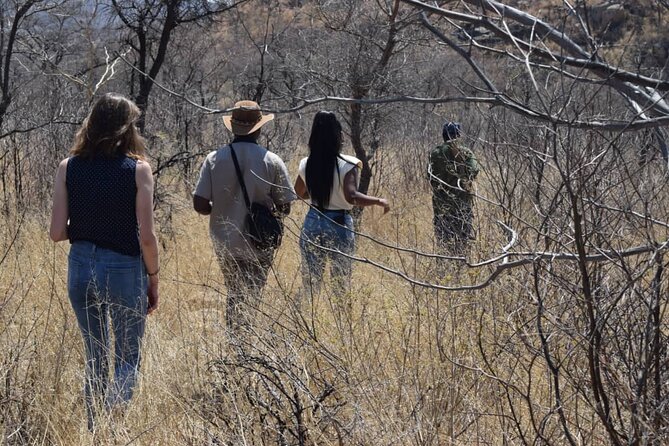
A described outing reached two rhinos soon after entering the park. That is a strong reminder of what this experience can deliver, but you should still treat any wildlife encounter as a possibility rather than a guarantee.
White rhinos are the focus. Your guide uses signs such as tracks, recent dung, habitat, and wind direction to help locate them. The wind matters because approaching from the wrong direction can alert animals before you see them.
Once the rhinos are found, the group may approach on foot under the direction of the guide and rangers. One recorded encounter lasted about 25 minutes, long enough for careful photographs and video rather than a quick glimpse. The distance and movement rules will depend on the rhinos and the ranger’s judgment.
This is not a petting experience or a staged feeding stop. The value comes from seeing the animals behaving in their own setting and learning why the group must move quietly and carefully. You should be ready to follow instructions, stay together, and accept that animal welfare comes before a perfect photograph.
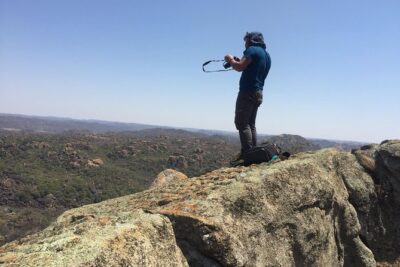
Digital photos are included, which helps you keep your attention on the experience instead of spending the entire time behind your phone. You may still want your own camera, but carry it in a way that leaves both hands free for walking.
Learning to read tracks, plants, and dung
The walk is more than a search for rhinos. The guide introduces you to the small signs that make a wild area readable.
You learn how to identify animal footprints and use dung as evidence of what has passed through. This may sound basic, but it changes how you see the bush. A quiet patch of ground becomes a record of movement, diet, and timing.
Plant identification is another key part. The experience covers medicinal plants and traditional remedies, including natural approaches once used for snake bites. That lesson connects the park to the practical knowledge of people who had to find food, water, shelter, and medicine without modern supplies.
You should not expect a classroom lecture with a fixed list of species. The teaching happens as you walk, and the guide’s examples will depend on what the group encounters. That makes comfortable walking clothes and closed-toe shoes important. Khakis are suggested, along with insect repellent, sunscreen, and a sun hat.
The bush walk also uses your senses. You may notice smells, bird calls, animal sounds, and changes in the ground before you see anything large. This slower style is a good fit if you enjoy understanding how a place works, not just collecting a wildlife sighting.
Meeting the rangers who protect the rhinos
Park rangers are part of the experience, and their role adds weight to the wildlife encounter. They protect endangered rhinos in difficult conditions, and you get a chance to meet the people who work directly on that task.
That contact gives the rhino sighting useful context. You are not simply looking at a large animal with a famous horn. You are seeing a species that needs active protection, with rangers responsible for keeping it safe.
The exact length and format of the ranger interaction are not fixed in the supplied details, so you should think of it as an important part of the outing rather than a separate formal presentation. Ask questions while you have the chance. A small group makes that easier than a crowded game drive.
The ranger’s guidance also helps keep the approach safe. The guide watches animal behavior and wind direction, while the ranger helps manage the group around the rhinos. You should never move ahead for a closer photo or assume that a calm animal is comfortable with your presence.
Same river, a completely different kind of day:
- Helicopter Scenic Flight over Victoria Falls 12-13 minutes Flight
★ 5.0 · 1,391 reviews - Victoria Falls: Dinner Cruise on the Zambezi River
★ 4.9 · 925 reviews - Dinner Cruise on the Zambezi River
★ 5.0 · 518 reviews - Victoria Falls: Chobe National Park Day Trip with Lunch
★ 4.7 · 518 reviews
Inside the cave with thousands-year-old paintings
The wildlife portion is paired with a visit to one of the park’s large rock caves, where ancient San paintings remain on the walls. The art provides a direct link to the people whose survival skills are discussed during the walk.
The cave is valuable because it is not an unrelated sightseeing stop. It helps explain the knowledge behind tracking, plant use, and reading the natural world. The paintings show that Matobo has been a place of human activity and meaning for thousands of years, not just a modern wildlife reserve.
Conditions inside a cave can differ from the open bush, so listen to the guide and take care around uneven ground. The details provided do not specify lighting, stairs, or the exact walking surface, so anyone with concerns about footing should ask before departure.
A visit here also slows the pace of the day. After watching rhinos and learning to read signs in the bush, the cave gives you a chance to look closely and consider the much longer human story of the area.
Barbecue lunch, refreshments, and a Matobo sunset
Food is included, with barbecue lunch, bottled water, refreshments, snacks, and later sundowners. That is a real benefit on an afternoon outing. You do not need to leave the park to find a meal, and you can keep your attention on the experience.
The precise meal menu is not specified, so do not book this expecting a particular dish. If you have dietary needs, ask the operator before the day. The supplied information confirms lunch and drinks, but not special menu arrangements.
The outing ends with sunset views and sundowners. After a walk in the heat, this is a pleasant way to finish. The light also gives you a final chance for photographs, although sunset timing will change with the season.
You should still carry personal essentials. Bring sunscreen, insect repellent, a hat, closed-toe shoes, and practical walking clothes. Khakis are suggested, but comfort matters more than dressing like a safari poster. A small bag for your phone and personal items is useful, provided it does not get in the way on the walk.
Why the group size changes the experience
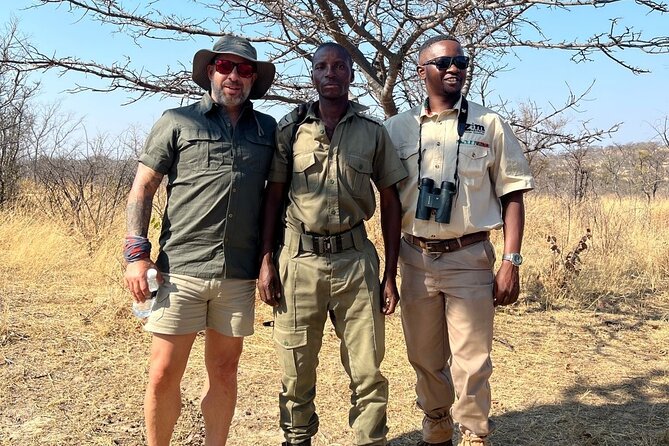
A maximum of eight participants is one of the strongest features. In a larger group, a guide has to repeat explanations, wildlife approaches become harder to manage, and people at the back can miss the small signs on the ground.
Here, you have a better chance to hear how the guide reads a track or identifies a plant. You can also ask questions without turning the walk into a public seminar. The group remains small enough for the guide to keep an eye on everyone.
Small does not mean private. You may share the walk with other people, and the exact group size may be less than eight or close to the limit. If you want a fully private outing, confirm that arrangement directly with Bushmen Travel Company.
The local guiding team is another strong point. Blessing and Bongani are named in connection with one particularly well-run outing, and both were described as friendly and efficient. The company may assign other guides, but you can ask about the guiding team when booking if having a specific guide matters to you.
Is $120 a fair price for five to six hours?
At $120 per person, this is not the cheapest way to spend an afternoon in Zimbabwe. The value depends on how much of the included service you would otherwise need to arrange yourself.
The price covers hotel transfers, a small-group guide, park ranger support, rhino tracking, a bush walk, the cave visit, lunch, bottled water, refreshments, snacks, sundowners, and digital photos. You are paying for a guided wildlife activity with food and transport, not just entry to a park.
The price also reflects the specialist nature of tracking rhinos on foot. A normal vehicle tour may give you a broader game-viewing route, but it may not teach you how to read dung, footprints, medicinal plants, or wind. If those details matter to you, this experience gives you more than a standard sightseeing drive.
The value is less clear if your only goal is to photograph as many animals as possible. Wildlife sightings are never fully controlled, and this outing focuses on white rhinos, bush skills, and cultural history. You should choose it for the format, not just for a guaranteed list of animals.
The duration deserves a close look. It is described as approximately five hours in one place and six hours in the tour details. Plan for a long afternoon and evening, with the 1:00 pm start, rather than relying on an exact finish time.
Who will enjoy this walk most?
I would recommend the experience to you if you like wildlife with explanation. It suits people who want to understand how tracking works, why plants matter, and how rangers protect rhinos.
It is also a good choice if you prefer a small group and a local guide. The size limit gives the day a more personal feel, and the combination of rhinos, rock art, and traditional survival knowledge gives the outing more variety than a single wildlife stop.
Photographers may like the chance to spend meaningful time near rhinos, with digital photos included as a useful extra. You still need patience. The animals control the encounter, and the best image may not come from the closest position.
Families and less experienced walkers may be able to participate, since most people can take part, but the details do not specify a precise fitness level, trail surface, or age policy. If you have mobility concerns, ask the operator before booking. The walk takes place outdoors and requires suitable footwear.
This is less suitable if you want a fully vehicle-based safari, a morning departure, or a tightly timed itinerary. It is also not the right pick if you dislike heat, uneven ground, or following ranger instructions around large wild animals.
Booking, cancellation, and practical details
Free cancellation is available if you cancel at least 24 hours before the local start time. Changes or cancellations made less than 24 hours before departure are not accepted for a refund, so check the local time carefully.
The experience is often booked around three weeks ahead, with an average of 21 days. That is useful planning information, especially if you want a small group or are visiting during a busy period.
Confirmation is provided at booking, and the ticket is mobile. Hotel pickup is offered, group discounts may be available, and the maximum group size is eight.
You should arrive ready for an outdoor afternoon, not a restaurant outing. Wear closed-toe shoes and practical clothes, then add a hat, sunscreen, and bug spray. Bottled water and refreshments are supplied, but personal medication and any special snacks remain your responsibility.
Should you book the Matobo Rhino Encounter?
Book it if you want a close white rhino encounter tied to real tracking skills, local guiding, ranger work, and ancient rock art. The small group, included lunch, pickup, digital photos, and sunset drinks make the $120 price easier to justify.
Skip it if you want a broad, vehicle-only game drive or cannot commit to a five to six-hour afternoon. The strongest reason to choose this outing is not simply seeing a rhino. It is learning how to find one, how people once read this dry country, and why protecting these animals takes daily work.
With a 4.9 rating from 33 reviews and a 97 percent recommendation rate, the experience has a strong record. Just keep expectations sensible: nature sets the schedule, and the best day is one where you follow the signs, respect the animals, and let Matobo reveal itself at walking pace.
FAQ
Where does the Matobo Rhino Encounter take place?
The experience takes place in Matobo National Park in Zimbabwe.
What time does the tour start?
The stated start time is 1:00 pm.
How long does the experience last?
The duration is approximately five hours in the tour summary, while the detailed description calls it a six-hour experience. Plan for roughly five to six hours.
How many people can join the tour?
The group has a maximum of eight participants.
What is included in the price?
Hotel transfers, a guide, park ranger support, digital photos, bottled water, refreshments, barbecue lunch, snacks, and sundowners are provided.
What should I bring?
Bring comfortable closed-toe shoes, practical clothing such as khakis, a sun hat, sunscreen, and insect repellent.
Just added around Zimbabwe
- Guide Tour of the Falls★ 5.0 · 3 reviews
- Chobe Full day Safari with Victoria falls Sunrise Tour Combo★ 4.5 · 3 reviews
- Safari in Victoria Falls and Zambezi National Park★ 5.0 · 3 reviews
- Boma Dinner & The Drum Show Experience★ 4.5 · 3 reviews
- Victoria Falls Sunset Cruise★ 5.0 · 3 reviews
- Victoria Falls: Elecrew Through The Eyes Of An Elephant★ 5.0 · 3 reviews
- Ultimate Falls Experience – Tour, Abseil, Swim & Hike★ 3.0 · 3 reviews
- Victoria Falls: Bush Experience and Stargazing D-F-ES-GB★ 4.3 · 3 reviews
Great Zimbabwe & Matobo Tours, compared.
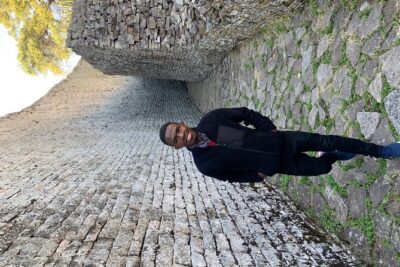
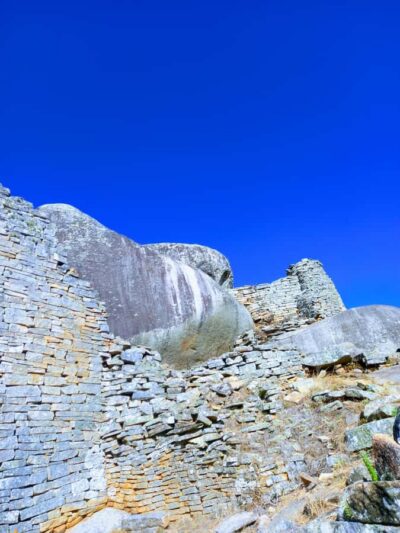
Great Zimbabwe: The World’s View Historical Site !!
Read our review →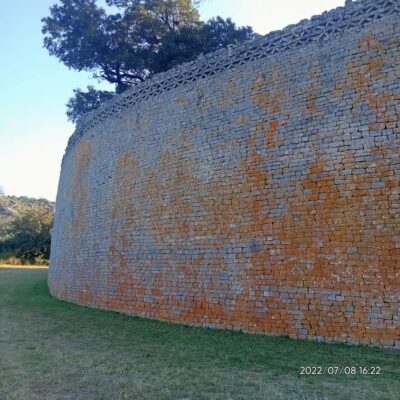
MASVINGO; GREAT ZIMBABWE MONUMENT TOUR – FROM HARARE
Read our review →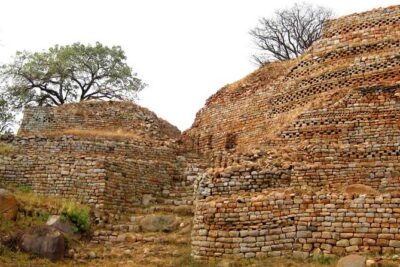
Khami Ruins & Matopos Silunguzi Village Day Tour!
Read our review →Browse the lists this tour appears in