
Reviewed · GREAT ZIMBABWE & MATOBO TOURS
Great Zimbabwe
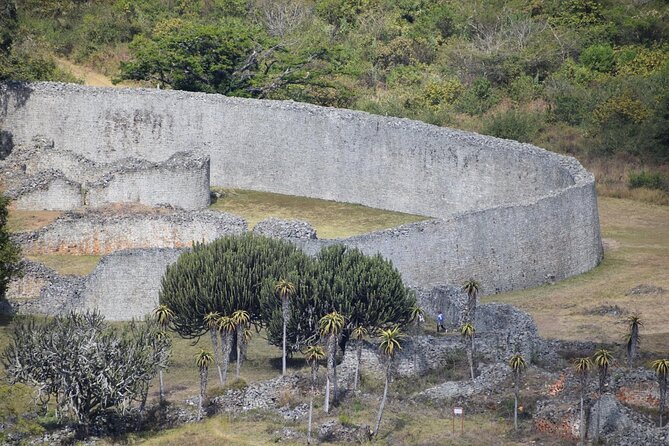
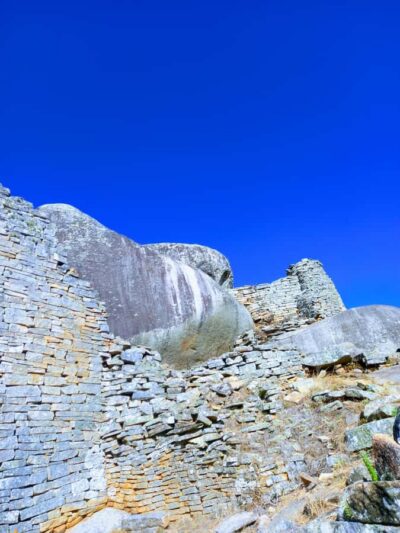
Great Zimbabwe is not a quick photo stop. It is an ancient stone city built from dry-laid granite walls, with the Great Enclosure, hill complex, and valley ruins spread across a broad historic site. The city was founded in the 9th century and gives Zimbabwe its name, making this one of the country’s most important cultural places.
I like the small group limit of eight, which should make it easier to hear the guide and ask questions. I also like the mix of archaeology and living culture: you see the stone city, original Zimbabwe bird carvings in the museum, and traditional Mbira music at a cultural village.
The main drawback is the long road day. Pickup begins at 6 a.m., and the drive can take about four to four and a half hours each way, especially from Bulawayo. You need to be comfortable spending much of the day in the vehicle.
Key points to know before booking
- The drive is part of the day: Plan on roughly four to four and a half hours each way from the pickup area.
- You see the full Great Zimbabwe complex: The visit includes the Great Enclosure, hill complex, and valley ruins.
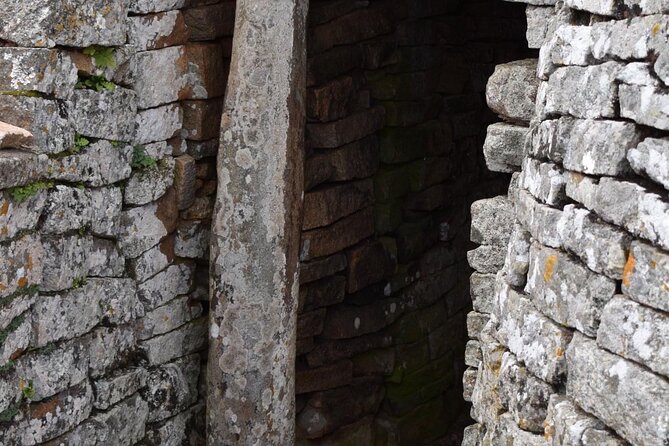
- Dry-stone construction is the star: The walls were built without mortar, yet remain an impressive display of Shona engineering.
- Breakfast and lunch are built in: A late breakfast or brunch comes before the site visit, followed by a hearty Zimbabwean meal or picnic barbecue.
- The cultural program adds context: You can hear Mbira music, an instrument linked to daily life and communication with higher spirits.
- Prepare for sun and uneven walking: Closed-toe shoes, a hat, sunglasses, sunscreen, and insect repellent are useful.
Why Great Zimbabwe deserves a full day
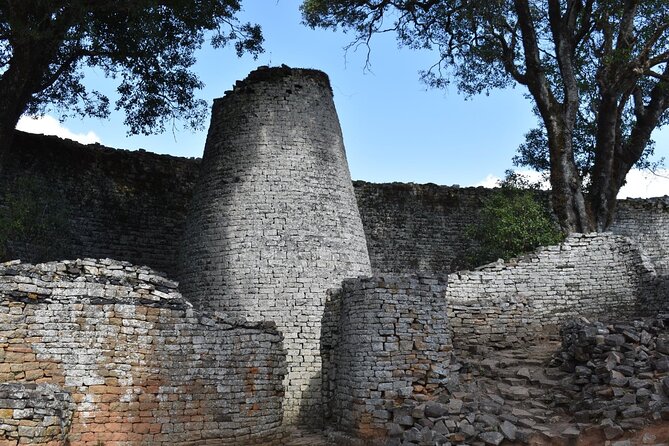
Great Zimbabwe rewards patience. The ruins are not a single building beside a car park. They are the remains of a large ancient city, with walls and structures arranged across several parts of the site.
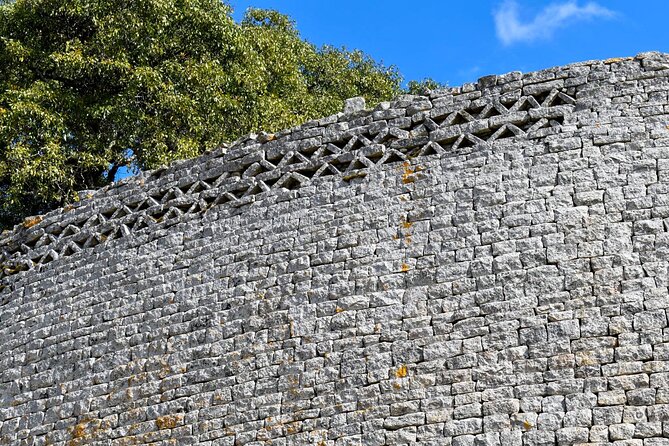
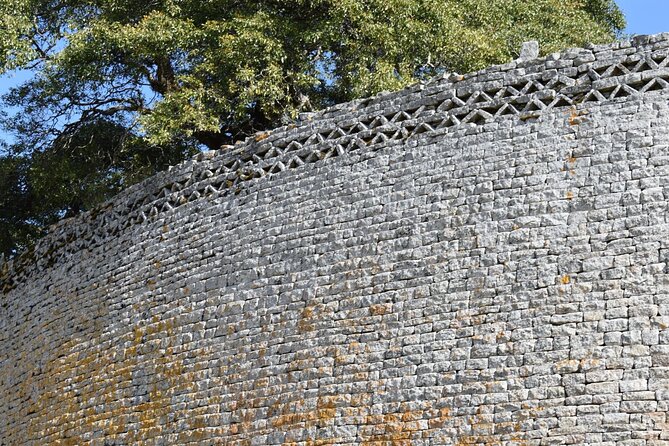
The city was founded in the 9th century by ancestral Shona people. Its builders used carefully placed stone, without mortar, to create freestanding walls and substantial enclosures. That construction method makes the ruins especially striking. You can see the skill in the curves, height, and balance of the walls rather than in carved stone blocks or cemented towers.
The site also matters because it connects archaeology with modern Zimbabwean identity. The country’s name comes from Great Zimbabwe, and the ruins are widely treated as the nation’s cultural heartland. A guided visit helps you understand that this is more than an old settlement. It was the center of a powerful state with organized building skills, symbolic designs, and a culture that reached far beyond the surviving walls.
I would choose this tour if you want historical context rather than a quick independent walk. The guide’s explanation gives the stones a human meaning: how the settlement was arranged, why the patterns matter, and what the scale of the ruins tells you about the society that built them.
More Great Zimbabwe and Matobo trips:
- The Best of Matobo
★ 5.0 · 39 reviews - Matobo Rhino Encounter
★ 5.0 · 33 reviews - Matobo Hills Day Trip with Rhino Tracking
★ 5.0 · 22 reviews
The early pickup and long Zimbabwe road day
The day starts at 6 a.m. with pickup from your hotel. That early start is practical, not decorative. Great Zimbabwe is a long way from some pickup points, and the drive can take around four hours, or about four and a half hours in the experience described from Bulawayo.
You should treat the drive as a major part of the tour. It gives you a full day at the site without requiring you to arrange separate transport, but it also means this is not an easy half-day outing. If you dislike long road journeys, the distance may be the deciding factor.
The small group format helps here. With a maximum of eight people, pickup and conversation should be less cumbersome than on a large coach. The tour also offers group discounts, so the $260 per-person price may make better sense if you are traveling with several people.
One guide specifically named in the tour feedback is Blessing, who handled both the driving and the day’s itinerary for a two-person group. That detail matters because a driver-guide can shape a long road day. You want clear timing, a helpful attitude, and someone who can explain what comes next.
The tour includes mobile ticketing and pickup. Confirmation arrives at booking, and service animals are allowed. The details do not specify every pickup neighborhood, so check the available hotel pickup area before paying.
Breakfast before the ruins
After the road journey, you receive a late breakfast, described in one account as more of a brunch. This is a useful feature because the 6 a.m. start is early, and you may not want to depend on a quick snack before leaving your hotel.
The meal also gives you a pause before walking the ruins. That matters on a hot day, when the combination of sun, uneven ground, and a large archaeological site can wear you down.
Do not read too much into the word breakfast. It is not described as a full restaurant stop with a long menu. Think of it as a practical meal included in a long day. The tour also includes a hearty Zimbabwean lunch or picnic barbecue after the main site visit.
Walking through the Great Enclosure
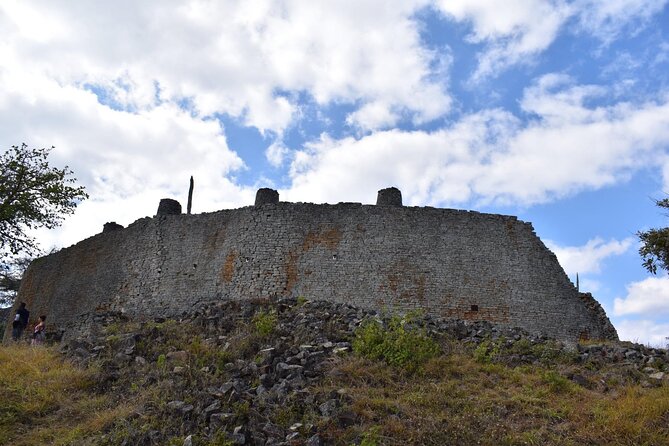
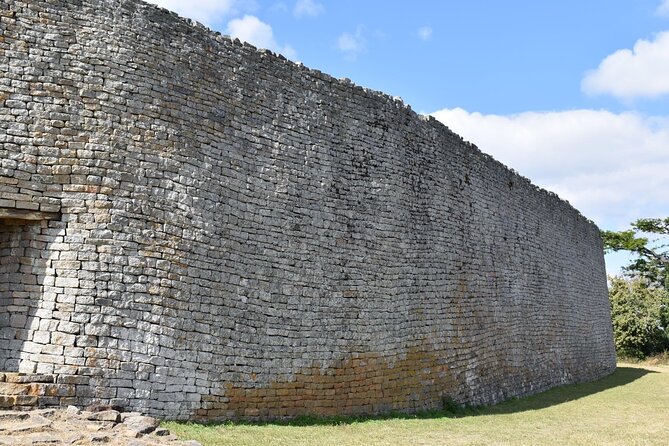
The Great Enclosure is likely the visual centerpiece of your visit. Its walls show the builders’ control of dry-stone construction, with stones fitted together without mortar. The scale is especially impressive because the walls are free-standing rather than simply low foundations.
The tour highlights the original Chevron patterns on the walls. These repeated designs are not random decoration. They are linked to fertility, giving you a way to read the structure symbolically as well as architecturally.
A guide can point out details you might otherwise pass without noticing. The value is not just hearing dates. It is understanding how the patterns, walls, and layout connect to the people who lived here and to the power of the kingdom that built the city.
The ruins are compared in size with major ancient monuments, described as second only to Egypt’s pyramids in scale. You should not expect a pyramid-like structure. The comparison refers to the impressive extent of the stone remains and the achievement required to create them.
Allow about two hours for the guided ruins visit. That is enough time to cover the main areas without turning the stop into a rushed dash, though the exact pace can depend on walking speed, weather, and the group.
Same river, a completely different kind of day:
- Helicopter Scenic Flight over Victoria Falls 12-13 minutes Flight
★ 5.0 · 1,391 reviews - Victoria Falls: Dinner Cruise on the Zambezi River
★ 4.9 · 925 reviews - Victoria Falls: Chobe National Park Day Trip with Lunch
★ 4.7 · 518 reviews - Dinner Cruise on the Zambezi River
★ 5.0 · 518 reviews
The hill complex and valley ruins
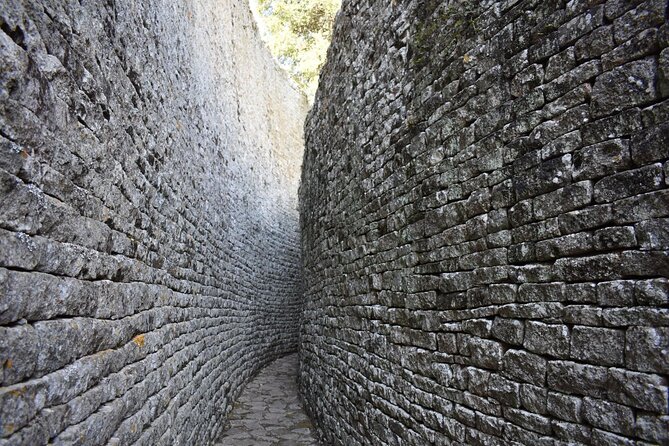
Great Zimbabwe is best understood as a connected site rather than one famous wall. The hill complex and valley ruins add important pieces to the picture.
The hill complex gives you another view of the city’s planning and stonework. The valley ruins show that the settlement extended beyond the most photographed enclosure. Together, these areas help explain the scale of the former kingdom.
You should wear closed-toe walking shoes. The supplied advice also calls for a hat, sunglasses, sunscreen, and insect repellent. These are not fashion suggestions. The site requires walking, and the day may be hot or exposed.
The tour information does not promise a particular level of accessibility or a flat route. Most people can participate, but you should consider your comfort with walking around historic ruins before booking. Ask the provider about the current route if mobility is a concern.
One appealing feature is the chance to have the attraction nearly to yourself at times. That can make a real difference at a site built around silence, open space, and large stone walls. It gives you room to look carefully instead of simply following a crowd from one viewpoint to the next.
Zimbabwe’s bird sculptures in the museum
The museum adds a compact but important indoor stop. It houses original stone carvings of the Zimbabwe birds, symbols closely tied to the country’s cultural identity.
The museum is not a replacement for the ruins. It works as a useful companion. After seeing the walls and enclosures, you can look at objects connected to the site’s artistic and symbolic world.
This is also a good moment to escape the heat. The tour description does not specify the museum’s size, so do not expect a long museum program. Its value comes from seeing original carvings and connecting them to the broader story of Great Zimbabwe.
Mbira music and the cultural village
The cultural village introduces a living tradition through Mbira music. The instrument has an important role in daily life and is used to communicate with higher spirits.
That stop keeps the day from becoming a purely archaeological exercise. You are not only looking at what remains. You are also hearing a musical tradition connected to spiritual and social life in Zimbabwe.
The supplied details do not give the length of the performance or describe who leads it, so keep expectations sensible. It is an added cultural encounter, not a full evening concert. Its strength is the link between the ancient site and traditions that continue to matter.
I particularly like this part of the program because it gives the ruins a wider frame. Stone walls can feel distant. Music, by contrast, helps you think about culture as something people practice, share, and carry forward.
Zimbabwean food after the main visit
A Zimbabwean lunch or picnic barbecue follows the ruins program. After a long drive and several hours outside, this is more than a pleasant extra. It gives the day a proper pause and lets you experience local food within the tour rather than rushing off to find a meal on your own.
The exact menu is not provided, so do not book this expecting a named dish or a special dietary menu. If you have food restrictions, ask Bushmen Travel Company before departure.
The timing also makes sense. You begin early, eat a late breakfast, walk the site, and then sit down for a more substantial meal. That rhythm is easier on the body than trying to complete the ruins visit on an empty stomach.
Is $260 a fair price?
At $260 per person, this is not a cheap attraction ticket. The value depends on what you would otherwise need to arrange.
The price covers an approximately 12-hour day, hotel pickup, transport for the long journey, a guided visit, breakfast, lunch or a picnic barbecue, museum access within the program, and the cultural village component. You are also paying for the convenience of having one company coordinate the road day and site visit.
The maximum group size of eight improves the value compared with a large bus excursion. If you are traveling alone, the price is still substantial, but it buys a simpler day with fewer moving parts. If you are in a group, the group discount may make the cost more attractive.
I would not book this tour just because it is the easiest way to tick off a famous site. The driving time is significant. I would book it because Great Zimbabwe is important to you and you want a guide to explain the architecture, symbolism, and cultural setting.
The 4.9 rating from 11 reviews, with 100 percent recommending it, points to a consistently strong experience, though the review count is small. The clearest strengths are the accommodating driver-guides, the included food, and the sense that the long journey is worthwhile once you reach the ruins.
Practical preparation for the walking and weather
Pack light, but pack correctly. Your essential kit should include:
- Closed-toe walking shoes
- A hat and sunglasses
- Sunscreen
- Insect repellent
- Water for the road and walking portions
- A light jacket if you are starting early or visiting during the rainy season
The jacket suggestion comes from practical experience with changing conditions. One account specifically found it useful to have a hat, jacket, and solid shoes during the rainy season.
The tour requires good weather. If poor weather forces cancellation, you can receive a different date or a full refund. For your own flexibility, avoid scheduling an important same-evening connection after this tour. A 12-hour estimate leaves little room for delays on a long road day.
Free cancellation is available when you cancel at least 24 hours before the local start time. Changes or cancellations inside that window are not accepted for a refund.
Who should book this Great Zimbabwe tour?
I recommend it most strongly for first-time visitors to Zimbabwe who want the major archaeological site explained properly. It also suits people who value small groups, hotel pickup, and included meals more than a fast or inexpensive outing.
History fans will appreciate the Great Enclosure, hill complex, valley ruins, Chevron designs, and Zimbabwe bird carvings. Music and culture enthusiasts will value the Mbira performance at the cultural village.
This is less suitable if you have only a few hours available, dislike long drives, or want complete control over your schedule. The early start and full-day duration are fixed features of the experience.
If you are comparing this with arranging a private visit yourself, ask what transport, guide fees, meals, and timing would cost separately. The $260 price may be sensible once you add those pieces. The strongest reason to choose it is the combined package, not any single stop.
Should you book it?
Book this tour if Great Zimbabwe is high on your Zimbabwe list and you want a guided, well-organized day with pickup, meals, and a small group. The ruins are the main event, but the museum, Mbira music, and Zimbabwean food make the day feel broader than a simple walk around old walls.
Skip it if the four to four and a half hour drive each way sounds exhausting. Great Zimbabwe deserves the time, but the road distance is real. For the right visitor, this is a demanding day with a worthwhile payoff: a closer look at the ancient stone city that gives Zimbabwe its name.
FAQ
How long does the Great Zimbabwe tour last?
The tour lasts approximately 12 hours.
What time does the tour start?
Pickup begins at 6:00 a.m.
How much does the tour cost?
The listed price is $260 per person.
Is hotel pickup available?
Yes. Pickup is offered, though the provided information does not specify every eligible pickup location.
How many people can join the tour?
The group has a maximum of eight travelers.
Is food included?
Yes. The tour includes a late breakfast or brunch and a Zimbabwean lunch or picnic barbecue.
What parts of Great Zimbabwe will I see?
The guided visit covers the Great Enclosure, hill complex, and valley ruins. It also includes the museum with original Zimbabwe bird carvings.
What should I bring?
Bring closed-toe walking shoes, a hat, sunglasses, sunscreen, and insect repellent. A jacket may also be useful during the rainy season or for the early start.
Can I cancel for a full refund?
Yes, if you cancel at least 24 hours before the experience start time. Cancellations made less than 24 hours in advance are not refunded. If poor weather causes the tour to be canceled, you are offered another date or a full refund.
Just added around Zimbabwe
- Guide Tour of the Falls★ 5.0 · 3 reviews
- Chobe Full day Safari with Victoria falls Sunrise Tour Combo★ 4.5 · 3 reviews
- Safari in Victoria Falls and Zambezi National Park★ 5.0 · 3 reviews
- Victoria Falls Sunset Cruise★ 5.0 · 3 reviews
- Victoria Falls: Elecrew Through The Eyes Of An Elephant★ 5.0 · 3 reviews
- Boma Dinner & The Drum Show Experience★ 4.5 · 3 reviews
- Ultimate Falls Experience – Tour, Abseil, Swim & Hike★ 3.0 · 3 reviews
- Victoria Falls: Bush Experience and Stargazing D-F-ES-GB★ 4.3 · 3 reviews
Great Zimbabwe & Matobo Tours, compared.


Great Zimbabwe: The World’s View Historical Site !!
Read our review →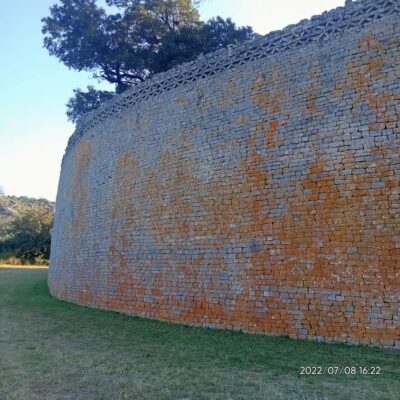
MASVINGO; GREAT ZIMBABWE MONUMENT TOUR – FROM HARARE
Read our review →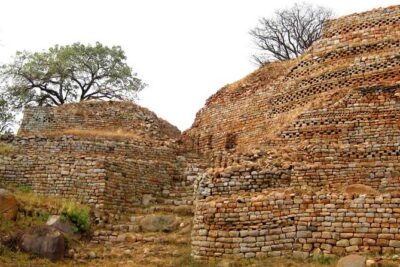
Khami Ruins & Matopos Silunguzi Village Day Tour!
Read our review →Browse the lists this tour appears in